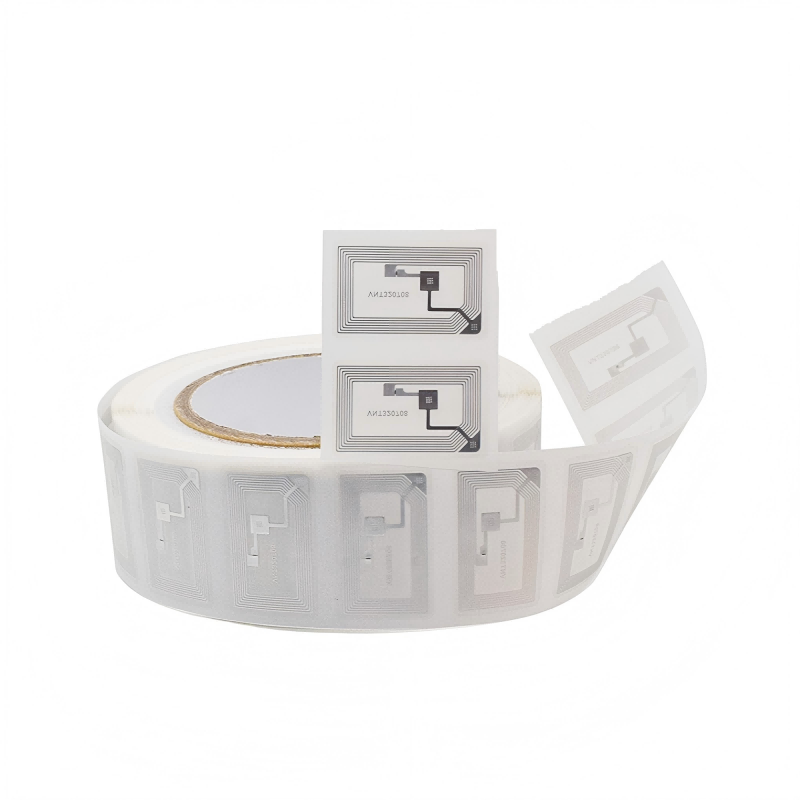
The innovative application of ultra-high frequency (UHF) RFID electronic tags in libraries is changing the traditional book management process, bringing seamless efficiency and accuracy. Using UHF RFID technology, libraries can now achieve lightning-fast borrowing and returning speeds, as well as zero-error inventory management.benefits and importance.
●Lightning-Fast Borrowing and Returning
Imagine a library where books can be borrowed and returned within seconds. UHF RFID library book tags make this possible. By embedding a UHF RFID tag with book-specific information such as the internal book ID and call number, libraries can deploy self-service systems equipped with built-in readers. When placing multiple books (up to 10 books) on the self-service machine, the UHF RFID tags can be identified in a lightning-fast manner, taking just 2 seconds to complete a batch reading. This incredible technology boosts the efficiency of borrowing and returning by 5-8 times compared to traditional barcode scanning, while reducing queue times by a staggering 90%.
● Intelligent Bookshelf Management
UHF RFID library tags enable libraries to implement intelligent bookshelf management systems. By embedding RFID antenna arrays within the shelves, real-time monitoring of book positions becomes possible with an impressive positioning accuracy of ±5cm. These intelligent systems automatically detect misplaced books, sending out alarms to ensure books are always placed in their designated locations. The efficiency of book inventory processes is dramatically improved, reducing the need for manual labor from 3 personnel per week to just 1 person per hour.
●Theft Prevention and Security Gates
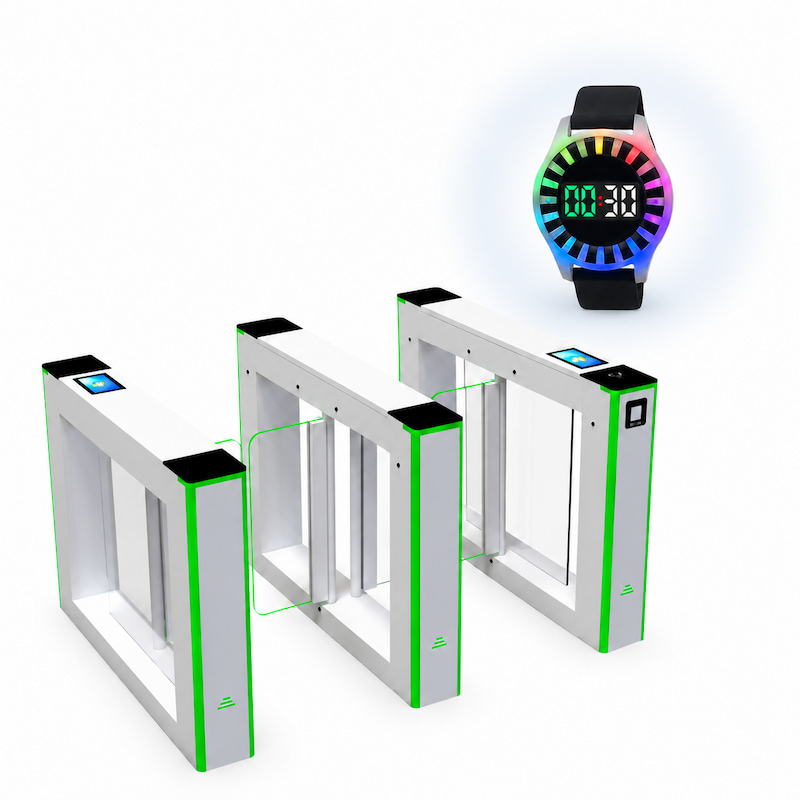
Library security is a top priority, and UHF RFID book tags play a crucial role in theft prevention. By deploying UHF RFID channel gates equipped with readers and antennas at the library exits, unauthorized removal of books triggers sound and light alarms. The UHF RFID technology boasts an impressive false alarm rate of less than 0.1%, providing a highly accurate solution compared to traditional magnetic strip-based systems. With UHF RFID-enabled security gates, library users can conveniently pass through with their book bags, ensuring a smooth and hassle-free experience.
●Rapid and Accurate Inventory
Gone are the days of painstakingly counting books during inventory periods. With UHF RFID technology, library staff can utilize handheld devices that can read over 200 tags per second. The data is seamlessly synchronized with the library management system, providing real-time updates. The time required for inventory checks of 100,000 books is reduced from one month to a mere 4 hours, ensuring efficient operations and accurate documentation.
The Unique Advantages of UHF RFID Tags
UHF RFID tags possess unique qualities that make them ideal for library applications. Their contactless nature allows for non-intrusive identification, preserving the overall condition of books while eliminating the risk of damage caused by physical contact. Additionally, UHF RFID tags for library enable rapid batch reading, making it possible to process large numbers of books simultaneously, further streamlining operations and saving valuable time.
Implementation Case Studies
The effectiveness of UHF RFID tags is exemplified by renowned libraries that have successfully implemented this technology.
1. National Library of China: The average borrowing time per reader has been reduced from 3 minutes to a mere 20 seconds, resulting in annual cost savings of 2 million RMB due to reduced manpower requirements.
2. National University of Singapore Library: The misplacement rate has seen a remarkable decrease from 8% to just 0.5%, while the circulation rate of books has increased by 35%, demonstrating the positive impact of UHF RFID tags on library operations.



 IPv6 network supported


 Product categories