RFID PVC Cards vs RFID Paper Cards: Which Solution Is Better for Your Application?
September 16, 2026
We have deployed these RFID tags for tracking pallets and cartons in our cross-border logistics operations. The read rate has remained stable even with mixed loading and high-speed conveyor belts. Compared to our previous tags, the false scan rate has been significantly reduced, and it has become much easier for the warehouse team to handle exceptions.
Daniel – Logistics Operations Lead @ International Freight Company
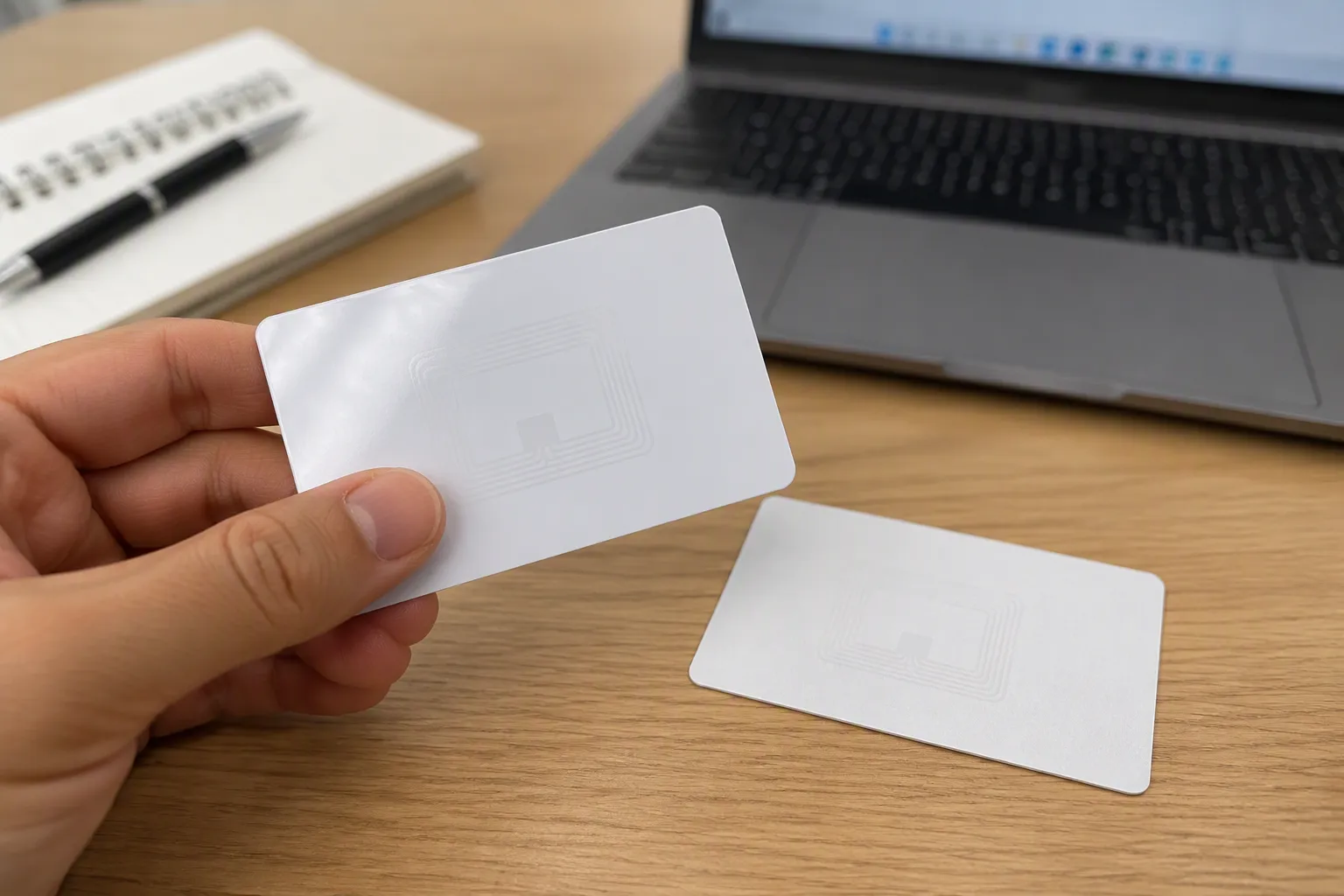
Your choice between card materials comes down to lifespan versus cost. An RFID PVC Card lasts years and costs more per unit. Paper cards stay cheap and degradable, yet they wear out fast. Choose PVC for permanent, high-security, or frequently handled applications. Choose paper for short-term, high-volume, or low-security needs.
Key Takeaways
Choose RFID PVC Cards for permanent, high-security applications. They last years and resist damage.
Choose RFID Paper Cards for short-term, high-volume events. They cost little but wear out quickly.
A hybrid option uses a durable PVC base with replaceable paper inserts. This reduces waste and adapts to changing needs.
Quick Comparison: RFID PVC Card vs RFID Paper Card
Durability and Lifespan
You get years of service from a PVC card. It resists bending, moisture, and daily wear. A paper card typically lasts hours to a few days. It tears, creases, and degrades when handled repeatedly.
Cost Per Card
Paper cards cost pennies per unit at high volumes. PVC cards cost more upfront because of the rigid plastic core and chip embedding. Your total cost depends on how often you replace each option.
Security Features
PVC cards support advanced anti-counterfeiting features. You can add holograms, UV ink, and secure chip locking. Paper cards offer basic protection at best. They suit low-risk environments where credential theft causes minimal harm.
Encoding and Print Options
Both materials accept HF and UHF chips. PVC handles high-resolution thermal printing and full-color graphics. Paper works well for simple monochrome printing and short-run variable data.
Environmental Impact
Paper cards biodegrade quickly and come from renewable sources. PVC cards persist in landfills for decades. However, one durable PVC card can replace dozens of paper cards over its lifetime.
You can expect an RFID PVC Card to serve you for three to five years under normal conditions. The plastic core resists bending, cracking, and moisture damage. Daily swiping, dropping, or carrying in a wallet does little harm. This material withstands temperature swings from freezing storage to hot car interiors. PVC cards remain functional through thousands of read cycles without performance degradation.
Why RFID Paper Cards Are Disposable by Design
Paper cards last hours to a few days at most. Manufacturers design them for single-event or short-term use. The paper substrate tears easily and absorbs moisture from sweat or rain. Repeated bending causes creases that damage the embedded antenna. You cannot expect reliable performance after more than a handful of uses. This disposable nature keeps production costs low.
Environmental Stress Factors That Affect Both
Heat and humidity challenge both materials differently. PVC expands slightly in high temperatures but returns to its original shape. Paper absorbs moisture and loses structural integrity permanently. Cold temperatures make paper brittle and cracking more likely. PVC stays flexible in freezing conditions without losing card shape. Physical wear from wallets, card readers, or cleaning supplies degrades paper quickly. PVC resists most cleaning chemicals and surface abrasion. UV exposure from sunlight causes only minor fading on PVC but can weaken paper fibers over time.
Security and Anti-Counterfeiting
Tamper Resistance of RFID PVC Cards
You gain strong physical protection with a rigid plastic body. The card resists bending, cutting, and delamination. Manufacturers embed the chip deep inside the PVC layers. This construction makes chip removal difficult without visible damage. You can add holograms, UV ink, and microtext to the surface. These features stop most counterfeit attempts at the point of inspection. A cloned card often fails a visual or tactile check.
Paper offers minimal defense against forgery. The substrate tears with light force. Anyone can copy printed graphics with a standard printer. The embedded antenna sits close to the surface. A thief can extract or damage the chip with simple tools. You cannot add durable holograms or tamper-evident layers to paper. These cards suit low-risk settings where a lost credential causes little harm.
Advanced Encoding Options for Both Materials
Both card types accept HF and UHF chips with advanced security features. You can lock memory blocks to prevent rewriting. Cryptographic authentication stops unauthorized readers from accessing data. A unique serial number adds another verification layer. The RFID PVC Card handles these features with greater reliability over time. Paper cards support the same encoding at production, yet physical wear degrades the antenna and breaks the connection. You should match the security level to the threat model and the card's expected lifespan.
Cost and Scalability
Upfront Investment for RFID PVC Cards
You pay more per unit when you order an RFID PVC Card. Prices typically range from $0.25 to $0.40 per card. This higher upfront cost covers the rigid plastic core, secure chip embedding, and durable surface. You also gain access to advanced features like holograms and chip locking. These features justify the initial investment for long-term applications.
Bulk Pricing for RFID Paper Cards
Paper cards offer the lowest entry point. You pay $0.15 to $0.25 per card at high volumes. Large orders of 10,000 units or more drive prices even lower. This pricing model suits one-time events and short campaigns. You get functional RFID technology without a significant financial commitment.
Hidden Costs of Replacement and Storage
Paper cards carry hidden expenses that add up quickly. You must laminate them for basic moisture protection. Frequent replacements mean repeated printing and encoding labor. Storage requires climate-controlled conditions to prevent degradation.
Cost Factor
PVC Card
Paper Card
Lifespan
2–5 years
3–6 months
Initial Purchase Price
$0.25–$0.40/card
$0.15–$0.25/card
Maintenance/Replacement
Rare; minimal
Frequent; moderate
Hidden Costs
Special printers, security upgrades
Lamination, frequent reprints
Total 5-Year Cost (per card)
$0.25–$0.45
$0.30–$0.60
A hotel group in the UK had to replace magnetic cards every four months, resulting in an annual expense of £8,000. Switching to RFID key cards with a lifespan of 3 years and obtaining bulk purchase discounts led to a 55% reduction in annual card fees and a 90% decrease in guest complaints due to key malfunctions.
This example shows how frequent replacements drive hidden lifecycle costs. PVC cards minimize replacement frequency and offer lower total cost of ownership for long-term use.
Encoding and Customization
Chip Locking and Rewritability
You can lock chip memory blocks permanently after encoding. This prevents anyone from altering stored data. An RFID PVC Card supports both one-time programmable and rewritable configurations. You choose the mode based on your security needs. Rewritable chips let you update access permissions or stored values over time. Locked chips provide tamper-proof credentials for high-security sites. Paper cards also accept locked or rewritable chips at production. Their shorter lifespan limits the practical value of rewritable memory.
Printing Durability and Graphics Quality
PVC cards accept high-resolution thermal transfer printing. You get sharp text, barcodes, and full-color images. The print layer bonds to the plastic surface and resists scratching. Paper cards handle basic monochrome printing well. Full-color graphics appear duller and fade faster. Moisture and friction wear away printed details on paper within days. PVC graphics remain legible for years under normal handling.
Read Range and Frequency Compatibility
Both materials support low frequency, high frequency, and ultra-high frequency chips. Read range depends on chip type, antenna design, and reader power. PVC cards achieve consistent read distances because the rigid core protects the antenna geometry. Paper cards may show reduced range after bending or moisture exposure. You should test your specific reader and card combination before large deployments. Frequency choice matters more than material for most applications.
Sustainability and Disposal
Recycling RFID PVC Cards
You face real challenges when recycling an RFID PVC Card. Most municipal programs reject PVC because of its chlorine content and mixed-material construction. The embedded chip and antenna complicate the process further. Industrial recycling programs exist, yet they capture very little end-of-life material.
Metric
Value
Recycling rate for standard PVC cards
Under 1%
End-of-life recycling or reuse
Approximately 1%
Manufacturing waste recycled back into production
8–12%
These numbers show that most PVC cards end up in landfills. Manufacturers do recycle production scrap, but this practice does not address cards after use.
Biodegradability of RFID Paper Cards
Paper cards break down naturally within weeks to months. Microorganisms digest the cellulose fibers without special conditions. The embedded chip and antenna remain as non-biodegradable residue. You should separate these components before composting. Many paper cards use biodegradable adhesives and inks. These choices reduce environmental harm after disposal.
Lifecycle Carbon Footprint Comparison
You must weigh production against disposal for both materials. Paper cards require less energy to manufacture and transport. Their short lifespan means you replace them often. Each replacement adds new production emissions. PVC cards carry a higher initial carbon cost. Their multi-year lifespan spreads that cost across thousands of uses. One PVC card can replace dozens of paper alternatives. This durability lowers the total carbon footprint for long-term applications. For single-use events, paper wins on emissions. For permanent programs, PVC offers the lower lifecycle impact.
When to Choose RFID PVC Cards
You should select an RFID PVC Card when your application demands longevity, security, and consistent performance over time. The rigid plastic construction delivers reliable operation across thousands of read cycles. Your investment pays off through reduced replacements and lower total ownership costs. Several specific scenarios make PVC the clear winner over paper alternatives.
Permanent Employee IDs and Access Badges
Your workforce needs credentials that survive daily use without failure. An employee badge endures constant swiping, pocket storage, and exposure to workplace conditions. Paper cards cannot handle this punishment for more than a few days. PVC cards maintain their integrity for years under the same treatment.
Healthcare facilities demonstrate this advantage clearly. Nurses and doctors carry badges through demanding shifts involving moisture, sanitizers, and physical activity. Paper credentials would fail within hours. PVC badges continue functioning through thousands of access events without degradation.
Government offices and corporate campuses rely on PVC credentials for secure access control. These organizations cannot afford credential failures that lock employees out of critical areas. The durability of PVC ensures reliable access every time. You also gain the ability to add holograms and UV features that prevent unauthorized duplication.
Fitness centers and gyms issue membership cards that members handle repeatedly. These cards pass through readers at entry points, locker rooms, and equipment areas. PVC construction resists sweat, drops, and bending from wallet storage. Your members enjoy uninterrupted access without requesting replacements.
High-Security Environments
You need maximum protection when credentials control access to sensitive areas. PVC cards support advanced security features that paper cannot match. The rigid substrate allows deep chip embedding that resists extraction attempts. You can add multiple authentication layers to each card.
Highway and city toll management systems depend on RFID technology for contactless transactions. These operations require cards that function reliably in vehicles exposed to heat, cold, and vibration. PVC cards maintain consistent read ranges despite environmental stress. The automated toll process reduces congestion, manual errors, fraud, and labor costs.
Secure payment systems demand tamper-resistant credentials. PVC cards accept cryptographic authentication and chip locking that prevent data manipulation. A cloned card fails verification at the point of transaction. Paper alternatives offer no comparable protection against sophisticated threats.
Corporate access control for restricted areas requires credentials that resist physical attacks. PVC cards survive cutting, bending, and delamination attempts. Any tampering attempt leaves visible evidence that security personnel can detect. This tamper resistance protects your most sensitive facilities and assets.
Government-issued identification cards represent the highest security standard. These credentials must resist forgery, last for years, and function across multiple verification systems. PVC construction meets all these requirements. The material supports the advanced printing and encoding features that secure ID programs demand.
Frequent-Use Loyalty Programs
Your loyalty program succeeds when members engage frequently without friction. Cards that fail or wear out create negative experiences that drive customers away. PVC cards deliver consistent performance through years of regular use.
Retail loyalty programs benefit from PVC cards that maintain their appearance. Custom brand colors, logos, and high-quality graphics resist fading and scratching. Your brand stays visible and professional throughout the card's lifespan. Members keep these cards in wallets and present them at every visit.
Hospitality and membership organizations issue cards that guests use multiple times daily. Hotel key cards, club memberships, and resort credentials must work every time. PVC cards provide reliable operation through thousands of uses. Your guests enjoy seamless access without frustrating malfunctions.
Gift cards and prepaid payment cards require durability that paper cannot provide. These cards carry stored value that must remain accessible until fully redeemed. PVC construction protects the chip and antenna through repeated transactions. You avoid the customer service costs associated with failed cards.
The evidence from multiple industries confirms these advantages. Toll operations, public transport, healthcare, fitness, and government sectors all choose PVC cards for demanding applications. The material delivers durability, security, operational efficiency, and professional appearance. Your organization gains these same benefits when you match the card material to your application requirements.
When to Choose RFID Paper Cards
You should select RFID paper cards when your application prioritizes low upfront cost, high volume, and short-term usage. Paper cards offer the most economical way to deploy RFID technology for events and promotions that last hours to days. The disposable nature of paper aligns perfectly with credentials that require no long-term durability. Several specific use cases demonstrate where paper cards outperform their PVC counterparts.
One-Time Event Tickets and Wristbands
You need a credential that serves its purpose once and requires no further handling. Paper tickets printed with embedded RFID chips deliver exactly this functionality. Event attendees present their paper card at entry, the system validates access, and the credential has completed its task. The low unit cost makes this approach ideal for large crowds.
Music festivals and sporting events routinely issue tens of thousands of tickets. Paper cards cost pennies per unit at these volumes. You save significant budget compared to issuing PVC cards that would remain unused after the event. The lightweight paper stock also reduces shipping costs when distributing tickets by mail.
Conferences and trade shows benefit from paper credentials that provide single-day access. Attendees receive their badge at registration, wear it through the event, and discard it afterward. You avoid the cost and logistics of collecting and reissuing permanent credentials. The paper material accepts variable printing for personalized attendee names and barcodes.
Amusement parks and seasonal venues issue paper wristbands with embedded RFID technology. These credentials grant access for a single day or weekend. The paper material allows comfortable wear against the skin. You eliminate the expense and waste of collecting durable cards after each guest departs.
Temporary Visitor Credentials
Your facility needs to grant access to guests, contractors, or visitors for a limited time. Paper cards provide a practical solution that matches the temporary nature of these credentials. You issue a paper card at check-in, the visitor uses it for their stay, and you dispose of it upon departure.
Corporate offices and government buildings frequently welcome visitors who need building access for a few hours or days. Paper cards with printed expiration dates ensure credentials expire automatically. The low cost allows you to maintain a ready supply without significant inventory investment. Security staff issue paper cards quickly without concern for recovery.
Construction sites and industrial facilities host contractors who work on-site for defined periods. Paper credentials with embedded RFID chips grant access to specific zones. The cards serve their purpose for the project duration and require no retrieval when the contractor finishes. You avoid the administrative burden of tracking reusable badges.
Hospital campuses and healthcare facilities issue temporary visitor badges to family members and service providers. Paper cards printed with visitor names and access areas provide clear identification. The disposable nature prevents the accumulation of lost credentials that could pose security risks. You refresh your visitor system without worrying about inventory shrinkage.
Promotional Giveaways with Limited Lifespan
Your marketing campaign needs a tangible item that delivers value without ongoing costs. Paper RFID cards offer an effective promotional vehicle that keeps your brand top-of-mind. Recipients receive a functional credential they can use immediately, then discard without guilt.
Retail stores and restaurants distribute promotional cards that grant a single discount or free item. Paper cards printed with your branding and an embedded chip allow one-time redemption. Customers present the card at checkout, and the system invalidates it after use. You avoid the expense of durable cards for a short promotional window.
Product launches and brand activations rely on giveaways that create engagement without breaking the budget. Paper cards with RFID chips can trigger interactive displays, unlock digital content, or track foot traffic. The low cost per card allows you to distribute them freely without worrying about returns. Attendees take these branded items home, extending your campaign's reach.
Seasonal promotions, holiday campaigns, and limited-time offers require credentials that match their temporary nature. Paper cards printed with festive designs and expiration dates ensure the promotion ends cleanly. You eliminate the risk of expired vouchers circulating in wallets for months. The low unit cost supports aggressive distribution strategies that maximize audience reach.
You can deploy these paper-based credentials with confidence when you partner with a reliable manufacturer. Meihe offers cost-effective paper card solutions that meet high-volume demands. Their production capabilities ensure consistent quality across tens of thousands of units. You receive functional cards with embedded chips that perform reliably through the intended use period. The combination of low cost and dependable performance makes paper cards the smart choice for your short-term applications.
The Hybrid Option: Combining Both Materials
No single material solves every credential challenge. A hybrid approach combines the best qualities of both. You deploy a durable RFID PVC Card as the permanent base. You pair it with a replaceable paper insert for temporary information. This system reduces waste without sacrificing performance or security.
Reusable PVC Backing with Replaceable Paper Inserts
You issue one PVC card to each user as their permanent credential. The card contains the embedded chip and core security features. You print temporary details on a paper insert that slides into a transparent pocket. This design allows you to update names, dates, or access levels without reprinting the entire card. The PVC backing protects the chip through repeated handling. The paper insert handles short-lived information that changes frequently. Healthcare facilities use this model for temporary staff credentials. Event venues apply it for multi-day passes with daily entry updates. The paper insert costs almost nothing to replace. The PVC card lasts for years with consistent performance.
Transitioning from Paper to PVC as Needs Evolve
Your application often starts with paper cards during a pilot phase. You test functionality, user acceptance, and workflow integration. Paper cards keep initial costs low. Once you validate the system, you transition to PVC cards for long-term deployment. This gradual approach avoids a large upfront investment. You prove the concept before committing to durable materials. Many organizations follow this path with loyalty programs and access control systems. The shift from paper to PVC occurs smoothly when you plan for it during the pilot. Your manufacturer can supply both options during the transition period. You maintain operational continuity while upgrading your credential system.
This hybrid option gives you maximum flexibility. You adapt your approach to changing requirements without disrupting your operation.
How Meihe Helps You Choose the Right RFID Card
Meihe guides you through the material decision with hands-on engineering support. You describe your application, and their team recommends the card type that fits your lifespan, security, and budget goals.
Meihe's RFID PVC Card Strengths
Meihe builds durable cards for long-term programs. Each RFID PVC Card supports chip locking, holograms, and high-resolution thermal printing. The company holds ISO 9001:2008 quality management certification, verified through CNCA. You also receive encoding guidance for ISO 14443 and ISO 18000-6C protocols after delivery.
Certification / Standard
Details
ISO 9001:2008
Quality management system certification held by Shenzhen Meihe Induction Technology Co. Ltd.
IC Certification
Product certification verified via official documentation
ISO 14443
RFID protocol standard supported for encoding and technical guidance
ISO 18000-6C
RFID protocol standard supported for encoding and technical guidance
ISO 9001:2008 remains valid for legacy-certified manufacturers like Meihe; upgrade to ISO 9001:2015 is optional but not required for compliance.
Meihe's RFID Paper Card Solutions
Meihe produces paper cards for events, visitor passes, and promotions. You order in high volumes and receive consistent chip performance across every batch. The low unit cost keeps your short-term campaigns affordable.
Custom Options and Pilot Programs
You can request custom sizes, chip types, and printed graphics. Meihe also runs small pilot batches. You test both materials in your real environment before committing to full production.
No single material wins every application. Match your choice to use duration, security needs, budget, and environmental priorities. Short-term, low-security, high-volume projects suit paper cards. Long-term, secure, frequently handled credentials demand an RFID PVC Card. Paper degrades faster; PVC lasts longer and reduces waste. Start with a small pilot using both materials to test durability and user acceptance.
FAQ
How do I choose between PVC and paper RFID cards?
Match the material to your use duration. Meihe supplies samples of both types for testing. This helps you decide based on real-world performance.
What customization options does Meihe provide?
Meihe offers custom sizes, chip types, holograms, and high-resolution printing. Both PVC and paper cards accept full encoding and branding.
Can I use paper RFID cards for events?
Yes. Paper cards work well for single-day events, tickets, and visitor passes. Meihe produces them in high volumes at low cost.





 IPv6 network supported