Leave A Message
If you are interested in our products and want to know more details,please leave a message here,we will reply you as soon as we can.

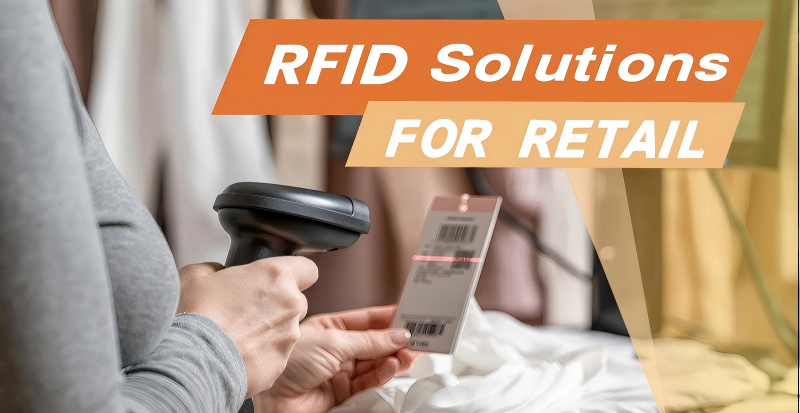
Retail inventory management is a critical part of modern retail operations. From apparel stores to supermarkets and large distribution centers, retailers need accurate and real-time inventory data to keep products available and reduce operational cost. RFID technology allows retailers to track products automatically without line-of-sight scanning. By attaching RFID labels or tags to each item, inventory data can be updated in real time, which makes operations faster and more reliable.
Because of these advantages, RFID has become one of the most common technologies used in retail inventory management systems.
Challenges in Retail Inventory Management
Retail inventory control becomes more difficult as the number of products and locations increases. Many companies still rely on manual scanning, which creates delays and increases the chance of error.
Manual counting is slow and expensive
Inventory counting with barcodes requires scanning each item individually. Because counting is slow, many stores cannot check inventory frequently, which leads to inaccurate data.
Lack of real-time visibility
In barcode systems, stock information is updated only after scanning. During daily operations, the actual quantity on shelves may not match the system data. This can cause out-of-stock situations, incorrect orders, or excess inventory.
Shrinkage and loss are difficult to control
Retail shrinkage may occur because of theft, misplacement, or incorrect handling. Without automatic tracking, it is hard to know where the loss happened.
Multi-location inventory management
Retailers usually need to track goods across:
• warehouses
• distribution centers
• retail stores
Keeping all locations synchronized requires automatic identification, which is one of the main reasons RFID is used in modern retail systems.
How RFID Works in Retail Inventory
RFID inventory systems use tags, readers, and antennas to identify products automatically. Each item is attached with a tag that contains a unique ID. When the tag enters the reading range, the reader collects the data without manual scanning.
Item identification without line-of-sight
Unlike barcodes, RFID does not require the label to be visible. This allows multiple items to be read at the same time, even when they are inside boxes or stacked together. This feature is very useful in warehouses and retail stores where many products are handled at once.
Automatic tracking during daily operations
RFID can record product movement at different stages:
• receiving goods
• storing items
• picking orders
• shipping products
Readers placed at key points automatically update the system, so inventory data stays accurate without manual input.
Faster inventory counting
Handheld readers can scan hundreds of items in seconds. Store staff can walk along the shelves and complete inventory checks much faster than with barcode scanners. This allows retailers to perform counting more often and maintain accurate stock levels.
Typical RFID Applications in Retail
RFID can be used in different parts of retail operations. The most common applications are item tracking, warehouse management, loss prevention, and smart retail systems.
Item-level inventory tracking
Each product is labeled with an RFID tag, allowing the system to identify details such as size, color, style, and location. This is especially important in apparel retail, where many similar items must be managed efficiently.
With RFID, store staff can quickly check stock on shelves and in storage without scanning each product one by one.
Warehouse and distribution tracking
RFID is widely used in logistics and distribution centers. Products can be tracked during the entire process, including:
• receiving
• storage
• picking
• shipping
When readers are installed at warehouse gates or workstations, the system automatically records item movement. This helps maintain accurate inventory data across different locations.
Loss prevention and security
RFID tags can work together with security systems to detect unauthorized removal of goods. Compared with traditional EAS tags, RFID allows the system to know exactly which item triggered the alarm, which makes investigation easier.
This is especially useful in stores that sell high-value products.
Smart shelves and automated stores
Some advanced retail systems use RFID to monitor shelf stock automatically. When products are removed or added, the system updates inventory in real time. This helps reduce manual work and improves customer experience.
Recommended RFID Labels and Tags for Retail
Retail inventory projects require different types of RFID tags depending on the product material, environment, and reading distance. Choosing the correct tag type is important for stable performance.
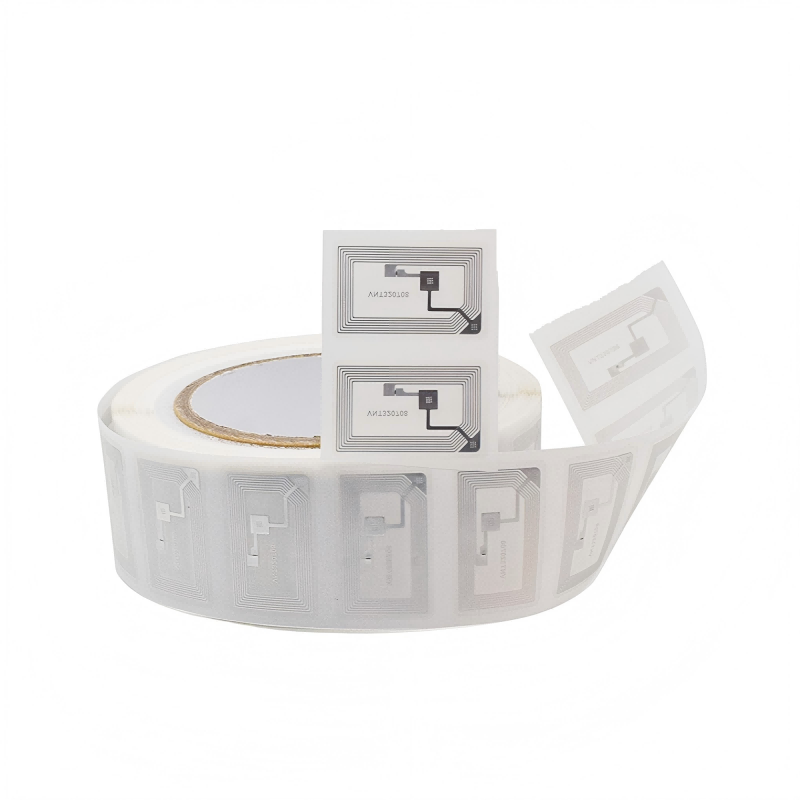
Printable UHF labels are the most common choice in retail. They are usually applied to clothing, packaging, or cartons. These labels support long reading distance and can be printed with barcode, EPC number, or logo.
Because they are low cost and easy to use, they are suitable for large-volume inventory systems.
Paper labels are often used for disposable applications such as price tags or shipping labels. They are lightweight and economical, which makes them ideal for supermarkets and large retail chains.
Although they are not designed for long-term use, they provide stable performance in normal indoor environments.
Hang tags are widely used in apparel and footwear stores. The tag is attached with a string or fastener, so it does not damage the product and can be removed easily at checkout.
They provide better durability and more reliable reading when many items are placed close together.
When products or shelves contain metal, standard labels may not work correctly. Anti-metal tags are designed to keep stable reading performance on metallic surfaces.
These tags are commonly used for electronics, tools, and equipment tracking in retail environments.
In warehouses and distribution centers, reusable and durable tags may be required. These tags can resist heat, moisture, and impact, making them suitable for long-term use.
Although the cost is higher, they provide better reliability in industrial retail logistics.

How to Choose the Right RFID Tag for Retail
Selecting the correct RFID tag depends on the actual working conditions of the project. Different environments require different tag materials and frequencies.
Consider reading distance
Retail inventory systems usually need long-range scanning, especially in warehouses. UHF RFID is the most common choice because it allows fast reading of many tags at the same time.
Short-range applications may use HF or NFC instead.
Consider surface material
Different surfaces require different tag types:
• paper / plastic → standard label
• metal → anti-metal tag
• fabric → hang tag
Choosing the correct tag ensures stable reading performance.
Consider environment conditions
Temperature, humidity, dust, and frequent handling can affect tag life. In warehouses or logistics centers, durable tags are often needed to ensure long service life.
Consider printing requirements
Retail labels often need to include barcode, logo, or serial number. Printable RFID labels allow visual information and electronic ID to be combined on the same tag.
Selecting the right tag at the beginning helps avoid problems during system deployment.
UHF vs HF vs NFC in Retail
Different RFID frequencies are used in retail depending on the application.
UHF RFID for inventory management
UHF is the most widely used frequency in retail because it supports long reading distance and fast multi-tag scanning. It is suitable for warehouse tracking, store inventory counting, and supply chain management.
HF RFID for short-range identification
HF is used when stable reading and short distance are required. It may be used in controlled environments, but it is less common for large inventory systems.
NFC for consumer interaction
NFC is mainly used for smartphone reading and customer interaction. It is useful for marketing, authentication, or payment, but not for bulk inventory scanning.
Understanding the difference between these frequencies helps retailers choose the correct solution.
Benefits of RFID in Retail Inventory
RFID helps retailers improve efficiency, accuracy, and visibility across the entire supply chain.
Inventory counting becomes faster because many items can be read at once. This allows stores to perform stock checks more often without interrupting daily operations. Higher accuracy reduces out-of-stock situations and improves product availability. Real-time data also helps managers make better decisions about replenishment and distribution.
RFID can reduce labor cost because fewer employees are needed for manual scanning. Automatic tracking also makes it easier to find lost items and identify errors.
As retail systems become more complex, the ability to maintain real-time inventory visibility becomes one of the main advantages of RFID technology.
Conclusion
RFID technology has become an essential tool for modern retail inventory management. Because different retail environments require different tag types, choosing the correct RFID label, frequency, and material is important for a successful project. Proper tag selection ensures stable reading performance and long-term reliability.
As an RFID tag manufacturer, we support retail RFID projects by providing customized labels, tags, cards, and durable RFID products suitable for large-scale inventory and supply chain systems. Selecting the right RFID tag is the first step toward building a reliable and efficient retail inventory solution.


 IPv6 network supported
Chat NOW
Scan to wechat :

Scan to Whatsapp :

 Product categories