Leave A Message
Leave A Message
If you are interested in our products and want to know more details,please leave a message here,we will reply you as soon as we can.
submit
Home

rfid laundry tag

rfid laundry tag

  • Why Transform Your Apparel Retail Store Management with RFID Hang Tags?
    Dec 02, 2025
    RFID clothing tags not only provide information but also facilitate communication. They can interact with inventory systems, security sensors, and even smart mirrors, becoming a powerful data portal. Why RFID Tags Are Disruptive RFID technology solves key and costly challenges that traditional barcodes and visual management cannot address: Rapid Inventory Management: A store's entire inventory can be inventoried in minutes, not days, with over 99% accuracy. Employees use handheld readers to quickly scan hundreds of RFID-tagged items, eliminating blind spots and stockouts, whether the items are in boxes or on shelves. Enhanced Loss Prevention: RFID Electronic Article Surveillance (EAS) provides item-level visibility. Stores can identify which items have been stolen or left secure areas. Omnichannel Empowerment: Streamline the online shopping process with in-store pickup, in-store shipping, and unlimited shelf space. Employees can instantly find specific items customers want from anywhere in the back office or sales area, enabling accurate and rapid order fulfillment. Enhance Customer Experience: Create smart fitting rooms that identify customer-brought clothing, recommend matching products, and announce different sizes. Supply Chain Transparency: Track the movement of every item in the supply chain in real time, from production and distribution to shelf display, optimizing logistics, reducing losses, and achieving true traceability. RFID Hang Tags: A Fusion of Form and Function RFID hang tags perfectly integrate the following two key elements: Physical Tag: This is the customer-facing brand element. It can be made of paper, cardboard, or plastic and possesses all the basic design, brand story, and information (materials, care instructions, size) of a traditional premium hang tag. RFID Chip: The core component of RFID technology, embedded inside or attached to the tag: Microchip: Stores a unique Electronic Product Code (EPC) and other static data. Antenna: Enables the chip to transmit data to an RFID reader via radio waves. Substrate: A thin film (usually PET or paper) used to hold the chip and antenna together. The final product is a durable, aesthetically pleasing, and powerful data beacon tag. Core Applications: From Back-End to Checkout Receiving and Warehouse Management: Unload and verify entire pallets or cartons in seconds, significantly speeding up receiving and reducing errors. Rapid Inventory Counting: Simplify inventory counting processes with quick checks of warehouses and sales areas. Smart Replenishment: Real-time shelf data triggers automatic replenishment alerts, ensuring frequently used sizes and styles are always in stock. Self-Checkout and Convenient Payment: RFID technology enables next-generation checkout methods. Customers simply place multiple items in the scanning area, and the system instantly identifies and counts all items, eliminating the need for individual scanning. Smart Retail: Integrate with interactive displays, smart mirrors, and mobile applications to create an immersive, data-driven shopping experience. Conclusion RFID apparel tags are no longer just a marketing tool; they are becoming a core element in building smarter, more efficient, and more profitable retail operations. Improved inventory management can increase revenue, reduce losses, and deliver a revolutionary customer experience.
    Read More
  • Your Ultimate Guide to Choosing the Right RFID Card
    Oct 27, 2025
    Navigating the world of RFID cards can be complex. With various frequencies, materials, and capabilities, selecting the wrong type can lead to system failure and wasted investment. This guide breaks down the critical factors to help you make an informed, professional decision. We will focus on technical specifications that impact real-world performance. Understanding RFID Frequency: The Core of Your System The frequency of an RFID card determines its communication range, speed, and ability to read near metal or liquids. Choosing the correct frequency is the first and most crucial step. Low Frequency (LF) 125 kHz: These cards have a very short read range (up to 10 cm). They are highly resistant to interference from metals and liquids, making them ideal for access control in challenging environments or for animal identification. However, they have slow data transfer rates and no anti-collision features for reading multiple cards at once. High Frequency (HF) 13.56 MHz: This is the most common frequency for smart cards. The ISO 14443 A/B standard is used for most access control and payment cards, with a typical range of up to 10 cm. The NFC protocol is a subset of HF, enabling communication with smartphones. According to the NFC Forum, over 2 billion NFC-enabled devices are in use globally, making HF cards a future-proof choice for interactive applications. They also support anti-collision. Ultra-High Frequency (UHF) 860-960 MHz: UHF cards offer a very long read range, from 3 meters up to 15 meters under ideal conditions. This makes them perfect for inventory tracking, asset management, and vehicle access. However, they are more susceptible to interference from metals and liquids. The RAIN RFID Alliance promotes the global adoption of UHF, which is the technology behind modern retail supply chain logistics. Card Construction and Durability Not all RFID cards are created equal. The construction material directly impacts the card's lifespan and suitability for your environment. Standard PVC Cards: These are the most common and cost-effective option. They are suitable for general office access control, membership cards, and ID badges. Their typical lifespan is 2-3 years with daily use. Composite Cards (PET/PVC): These offer a higher durability than standard PVC. They are more resistant to cracking, bending, and exposure to mild chemicals. A PET card can last over 5 years, making it a better value for long-term projects. ABS and Epoxy Cards: These are the premium choice for extreme conditions. They are hard, rigid, and highly resistant to high temperatures, abrasion, and harsh chemicals. An ABS card is often used in industrial settings, laundry applications, and as a key fob, with lifespans exceeding 10 years. Security Features: Protecting Your Assets Security is paramount. The level of encryption on your RFID card determines how vulnerable your system is to cloning and unauthorized access. Low Security (Low Frequency): Most 125 kHz cards, like EM4100, use a simple, fixed identifier. This ID number is transmitted without encryption, making the cards easy to clone with cheap, readily available writers. High Security (High Frequency - MiFARE): Cards like MiFARE Classic offer basic mutual authentication and sector-level security. However, they have known vulnerabilities. For higher security, MiFARE DESFire EV2 is the industry benchmark. It uses AES-128 encryption, has a secure microcontroller, and is certified to Common Criteria EAL4+. The German Transit Authority (VDV) core application relies on MiFARE DESFire, a testament to its robustness for large-scale, secure systems. Memory Capacity and Customization Think about what data the card needs to store. Memory requirements vary significantly. Low Memory (LF/HF Basic): A basic access control card may only need 1-4 KB of memory to store a unique ID and basic access credentials. High Memory (HF Advanced): For multi-application cards used for access, cashless payment, and loyalty programs, you need more memory. A MiFARE DESFire 8K card, for instance, offers 8 KB of memory, allowing for complex data structures and multiple independent applications on a single card. Making the Final Decision: A Case Study Let's apply this knowledge to a real-world scenario. Case: A University Campus Requirement: A single card for building access, library book checkout, and cashless payments at the cafeteria. Solution: An HF 13.56 MHz card (MiFARE DESFire EV2) was chosen. Why it Works: HF Frequency: Provides the perfect balance of secure, short-range reading for access and payments, while also supporting fast, anti-collision book checkouts. DESFire Security: Protects student financial data and prevents card cloning for building access. Sufficient Memory: The 4KB memory model allows the card to hold access permissions, library data, and an electronic purse balance. Durable PET Material: Withstands daily use by thousands of students for the duration of their studies. By matching your specific needs for range, environment, security, and application to the technical capabilities of the card, you can ensure a successful and reliable RFID implementation. As RFID specialists, we don't just sell cards; we provide integrated solutions. We help you navigate these exact questions to design a custom card that delivers on its promise.
    Read More
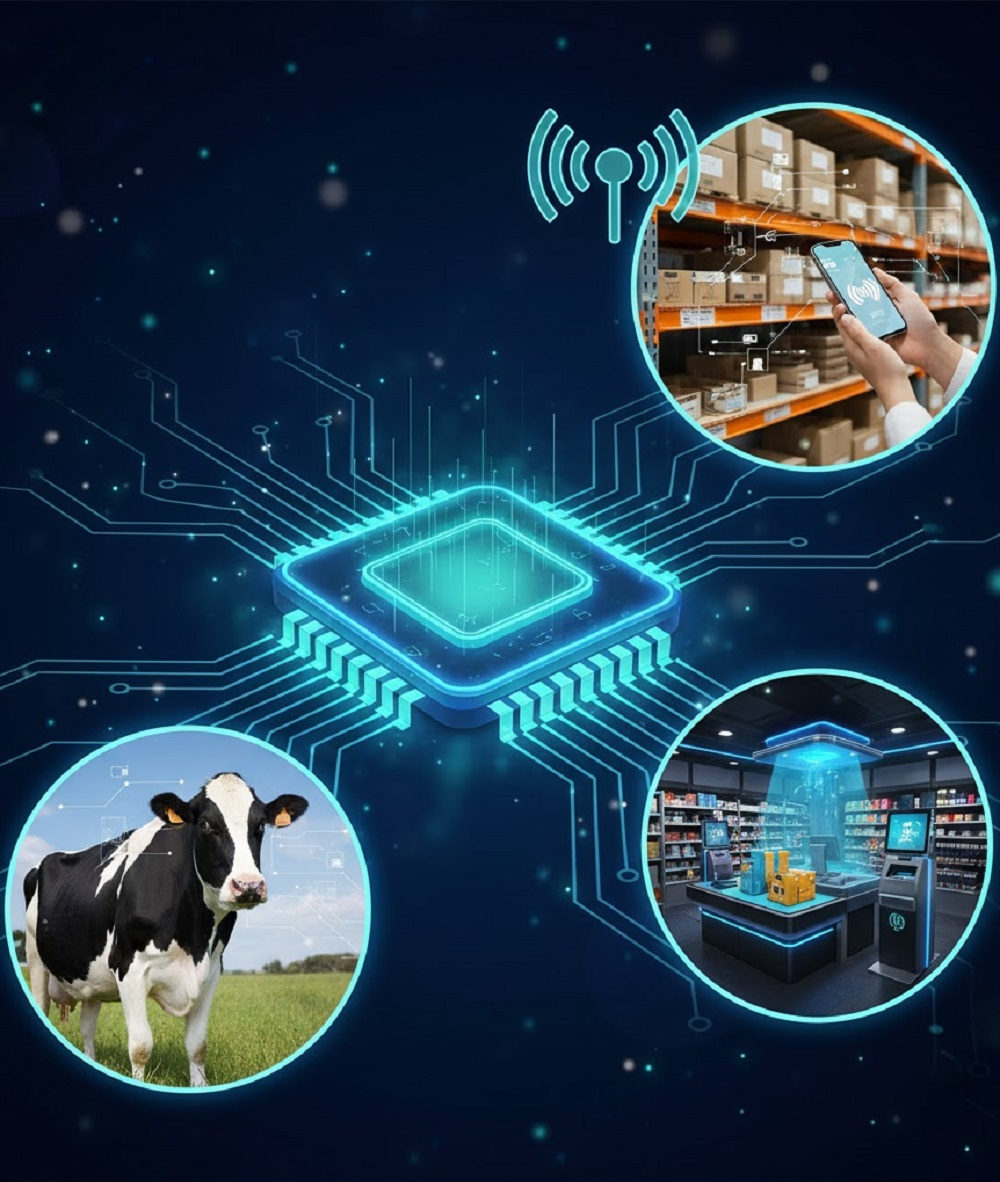
  • Do You know the more information about the rfid laundry tag
    Mar 26, 2021
    The rfid laundry Tag is a safe, non-toxic, wear-resistant, durable, green and environmentally friendly electronic label tailor-made for the cloth printing and dyeing industry, washing industry, medical logistics and other professional fields.The Laundry label can also be used for other high temperature, high humidity, high Work occasions such as labor intensity. Features: 1. Anti-interference design. 2. It can be soaked in water, rubbed repeatedly, and can be ironed directly. 3. Near-field multi-label recognition. Optional materials: PPS, silicone, non-woven fabric, etc. Application: It is widely used in laundry shops, medical logistics laundry, automobile engine maintenance marks, chemical raw materials, and occasions where RFID is used for fuel tracking in harsh environments such as high temperature and wear resistance and corrosion resistance. Meihe company provides a complete range of laundry labels to meet your purchasing needs. The price is affordable, if you need more product price information, please contact our sales department. Email: sales@rfidcardfactory.com
    Read More
  • 13.56Mhz/UHF RFID Lanudry Tag Manufacture
    Dec 12, 2018
    RFID laundry tag is designed for harsh environment. To achieve good performance in the extreme environment such as high temperature, wafer, oil, chemical solutions etc, the laundry tag is made of nylon material and manufactured with twice injection moulding techniques.Different dimensions option allow for optimum ratio of size/reading performance requested by the application. The waterproof laundry tag  is a safe, non-toxic, durable and environmentally friendly electronic label tailor-made for the printing and dyeing industry, the washing industry, medical logistics and other professional fields. It can also be used for other high temperature, high humidity and high temperature. Work conditions such as labor intensity. Features: 1. Anti-interference design. 2, can be soaked in water, repeated sputum, can be directly ironed. 3. Near-field multi-tag identification. Application range Widely used in laundry, medical logistics laundry, automobile engine maintenance logo, chemical raw materials and the need to use RFUD for fuel tracking in harsh environments such as high temperature wear resistance and corrosion resistance. Operating frequency: 125KHz, 13.56MHz, 915MHZ. Specification details,please contact us :Email:sales@mhgyjs.com.
    Read More
  • Where to get the eco-friendly silicone laundry tag?
    Sep 27, 2018
    Meihe factory has more than 18 years experience in making RFID tags,now we can make many different kinds of RFID lanudry tags.This RFID Laundry Tag is very rugged and fit specifically in laundry applications with high temperature resistance and aggressive chemicals.They can easily be integrated in clothes without giving any disturbance. Specification: 1.Material:eco-friendly Silicone 2.Size:80*25*2.2mm 3.Color:blue,red,white or as customers'request 4.Artwork:printing,uid,punching hole,adhensive 5.Working temperature:-40~+120°C 6.Use time:recycling 7.Feature:waterproof,long distance,repeat use etc Washable identification tag (transponder) for garment application  - Widely used in apparel items, garments, costumes, uniforms, patients’ clothing in hospital - Robust design for harsh laundry environment  - Good chemical resistance, withstand corrosive laundry agents 8.Available Chips:125khz,13.56Mhz or UHF. Application: Industrial washing, Management of uniforms, Medical apparel management, Military clothing management Personnel patrol management More info,please contact Email:Sales@mhgyjs.com
    Read More

Chat NOW

leave a message
If you are interested in our products and want to know more details,please leave a message here,we will reply you as soon as we can.
submit
Contact Us: sales@mhgyjs.com

home

products

about

Contact Us

Need Help? Chat with us

Start a Conversation

Hi! Click one of our members below to chat on