Leave A Message
If you are interested in our products and want to know more details,please leave a message here,we will reply you as soon as we can.

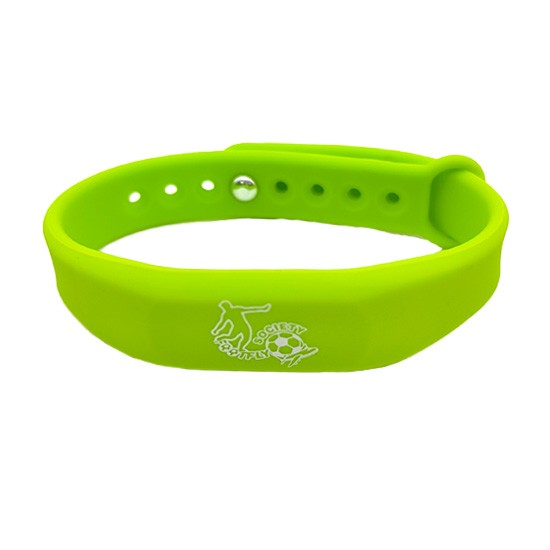
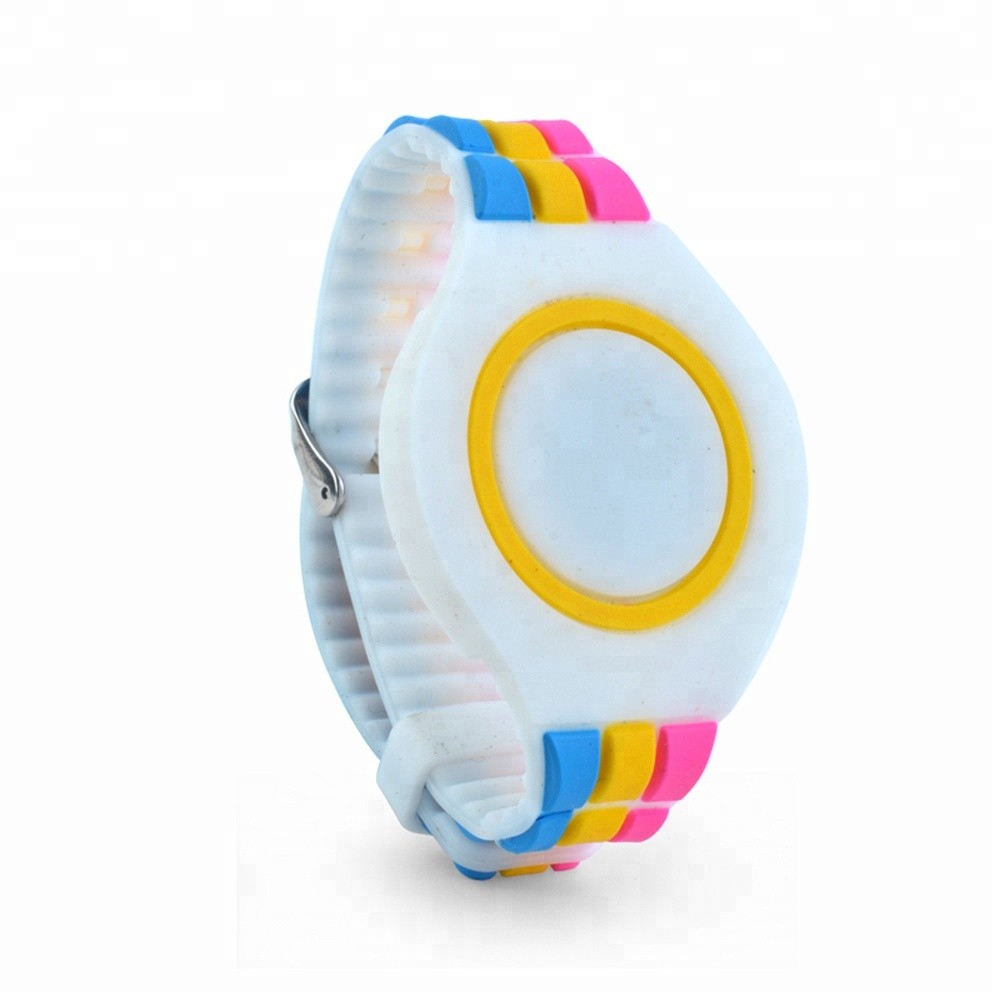
For short events, fabric wristbands with single-use closures are a practical starting point. For venues that collect and reuse wristbands, silicone models are often a better fit.
A successful selection combines three things: a wristband guests can wear comfortably, a credential the system can authenticate, and production data that matches the venue’s software. This guide explains what event organizers, system integrators, and purchasing teams should confirm before ordering.
Which Wristband Suits Each Application?
Start with the operating workflow: how long guests wear the band, whether it must resist transfer, and whether the venue will collect it for reuse. Then confirm the chip requirements with the system provider.
|
Application |
Practical material choice |
Closure or fit |
Chip functions to confirm |
|
Music festivals lasting 1–3 days |
Printed fabric or suitable synthetic-paper wristbands |
Single-use closure where transfer must be discouraged |
Reader compatibility, admission validation, and authentication required by the platform |
|
One-day sports events |
Fabric or lightweight synthetic wristbands |
Single-use closure; visible category printing |
Ticket validation, re-entry rules, and access-zone permissions |
|
Theme parks and water attractions |
Silicone for repeated use; fabric for disposable passes |
Reusable fit or single-use closure, depending on ticket policy |
Gate and locker compatibility; cashless credential requirements |
|
Resorts and hotels |
Silicone or fabric, depending on guest experience and reuse policy |
Comfortable fit for extended wear |
Compatibility with room locks, shared facilities, and payment systems |
|
Events with environmental purchasing goals |
Verified recycled-content fabric or other documented material options |
Assess the closure as well as the band |
System-compatible electronics; evidence supporting material claims |
How Should You Choose the Chip?
Choose the chip that the system supports, with the security and memory functions the application requires. A matching operating frequency is only the first compatibility check.
Use these general categories when discussing options:
|
Chip category |
Potential role |
Important distinction |
|
Basic NFC identification chip |
Identification or simple tap interactions in a supported system |
Identification and password protection do not equal strong cryptographic authentication |
|
Contactless ticketing chip with AES authentication |
Limited-use credentials requiring cryptographic verification |
The platform must support its authentication commands and configure the protection |
|
Secure multi-application contactless chip |
Separate access, locker, accommodation, or wallet applications |
Readers, application structures, keys, and software must support the implementation |
If an existing platform is already in use, ask its provider for the approved chip specification before requesting a quotation. This avoids selecting attractive wristbands that the deployed readers cannot use.
Five Things to Confirm Before Requesting a Quote
Existing System and Reader Details
Provide the reader model, relevant specifications, or the system provider’s approved chip requirements. For hotel projects, include room-lock compatibility requirements. If you do not know the chip, describe the application and share the available reader information. The hardware supplier can help narrow the options with your integrator.
Required Functions
State whether the wristband will be used for admission, re-entry, VIP access, lockers, room access, or cashless purchases. One band may support several functions, but each connected system must accept the chosen credential.
Quantity and Wearing Conditions
Confirm the order quantity, expected wearing period, size requirements, and whether bands will be reused. Mention swimming, outdoor exposure, or repeated cleaning where relevant.
Printing and Encoding
Specify artwork, variable QR codes, serial numbers, and any chip data that must be written. Variable printing and chip encoding are separate production tasks. A printed number does not automatically match the chip UID or a software account. Define the relationship between those fields before production.
Delivery Deadline and Destination
Share the date the goods must arrive, the delivery location, and when final artwork and data will be ready. An event date alone is insufficient for planning receiving, testing, and distribution.
Common Questions
Can One Wristband Be Used for Entry and Payments?
Yes, when both systems support the same credential or an agreed integration. The wristband may identify one backend account or support separate applications. Confirm compatibility before selecting the chip.
Can RFID Wristbands Be Reused?
Reusable silicone models and some fabric designs can be reused if their construction and system configuration allow it. Bands with single-use locking closures are intended to discourage transfer and may require cutting for removal.
Do RFID/NFC Wristbands Need Batteries?
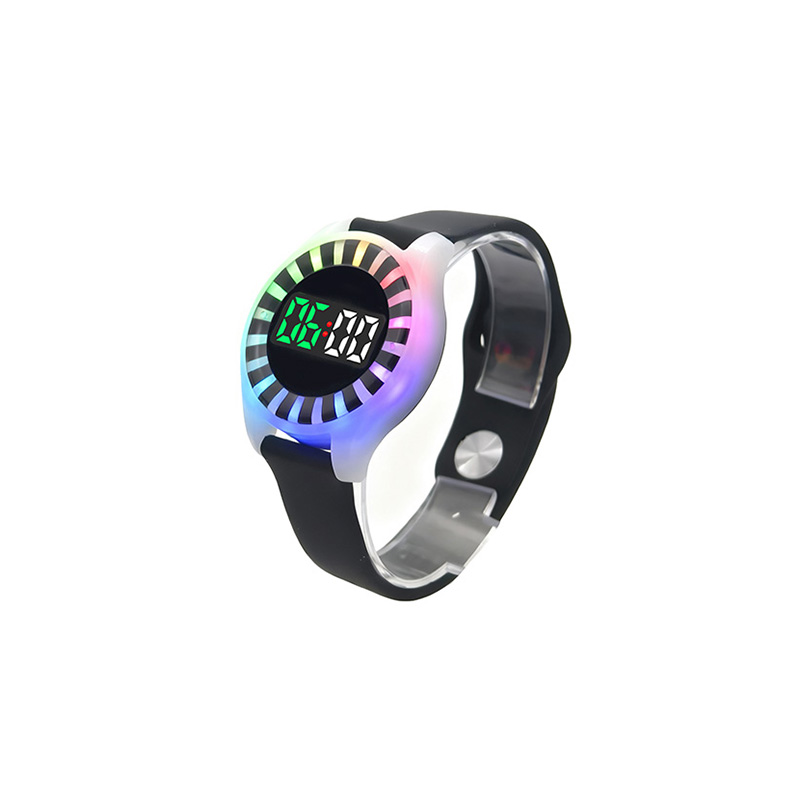
The passive wristbands covered in this guide do not need batteries. A compatible reader supplies energy during contactless communication. Wristbands with displays, vibration, or other powered functions are a different product category.
Can Guests Pay with the Wristband Anywhere?
A venue cashless wristband normally works within its configured payment system. It does not automatically function as a bank card or work at unrelated merchants.
Can Every Wristband Have a Different QR Code and Encoded Value?
Yes, variable printing and per-item encoding can be arranged. Provide the data and define how the printed code, encoded value, and system record must correspond.
Do NFC Wristbands Track Guests Continuously?
Passive NFC wristbands record interactions only when presented to compatible readers. Software can analyze those records, but continuous location tracking is not a standard function of these wristbands.
Are Recycled or Paper-Based Wristbands Fully Biodegradable?
Not necessarily. Assess the band, closure, chip, antenna, adhesives, and housing separately. Environmental claims should reflect documented properties of the specified product.
Plan Your Wristband Order with Meihe RFID Factory
Meihe RFID Factory manufactures RFID/NFC hardware, with more than 26 years of manufacturing experience. Depending on the selected wristband, customization can include materials, colors, printed artwork, variable QR codes, serial numbers, and agreed chip encoding.


 IPv6 network supported
Chat NOW
Scan to wechat :

Scan to Whatsapp :

 Product categories