Leave A Message
If you are interested in our products and want to know more details,please leave a message here,we will reply you as soon as we can.

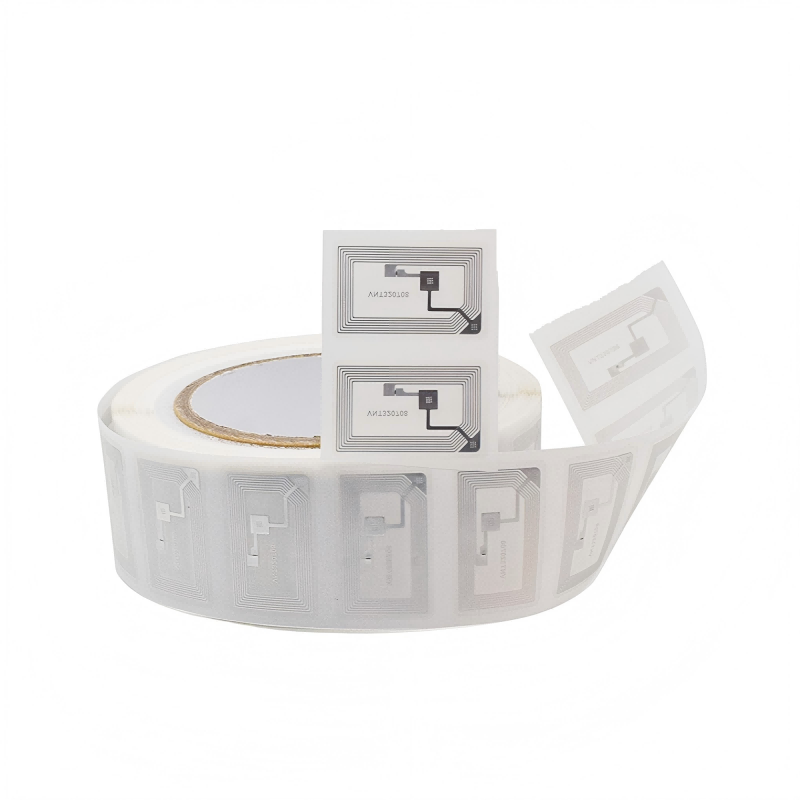
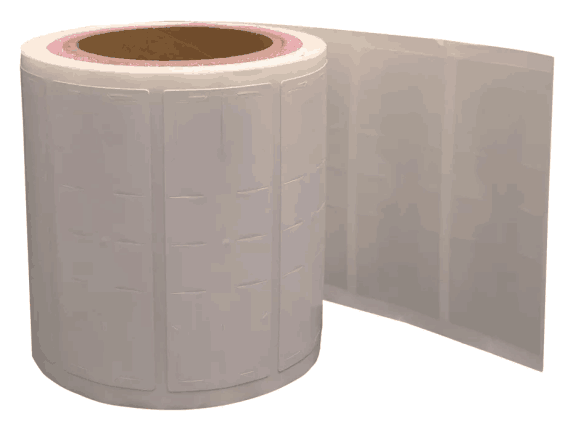
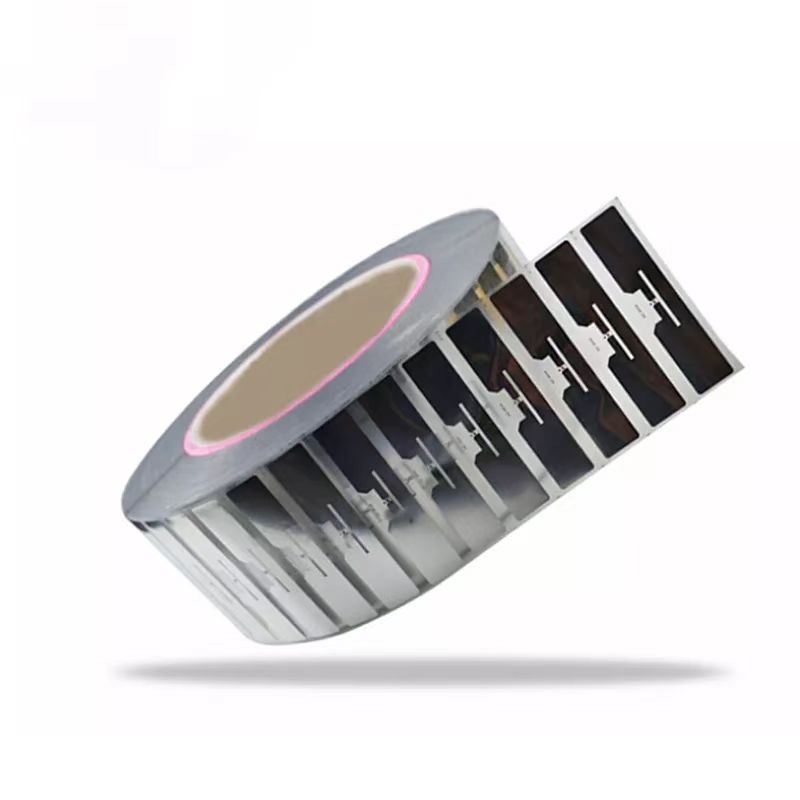
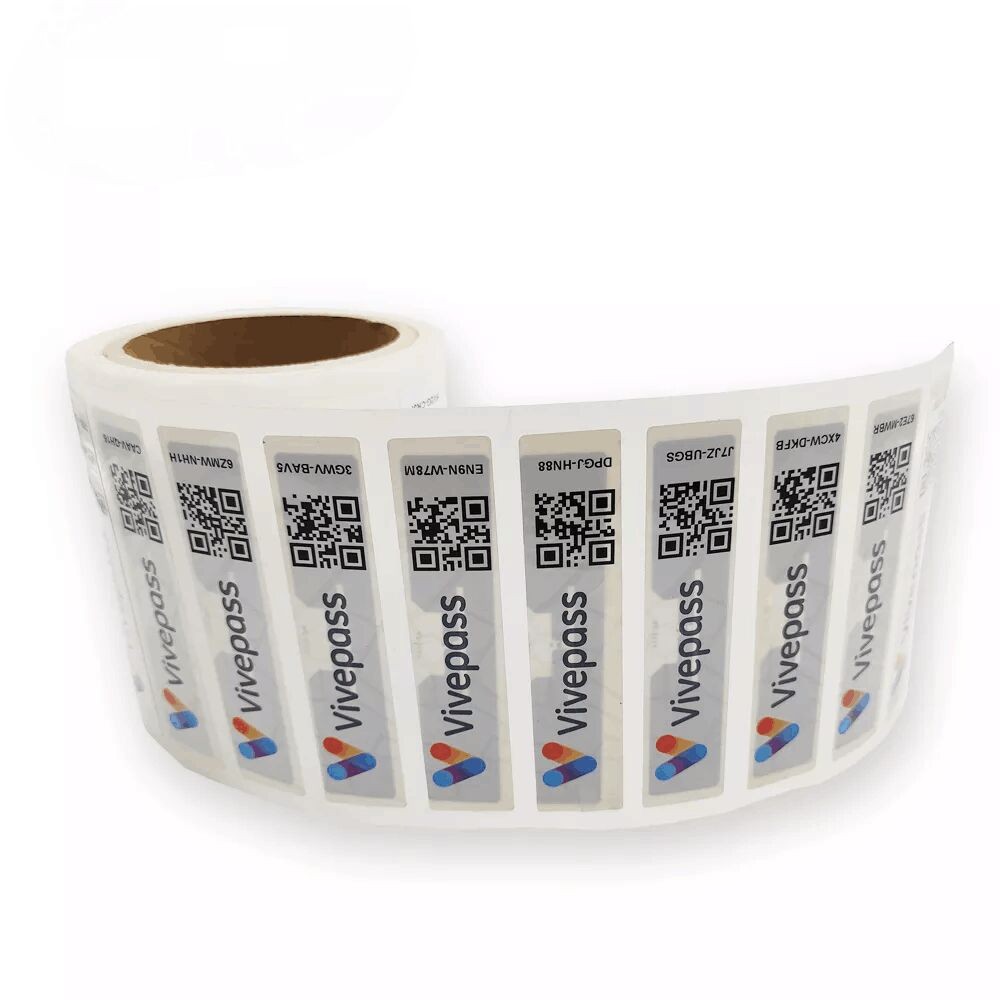
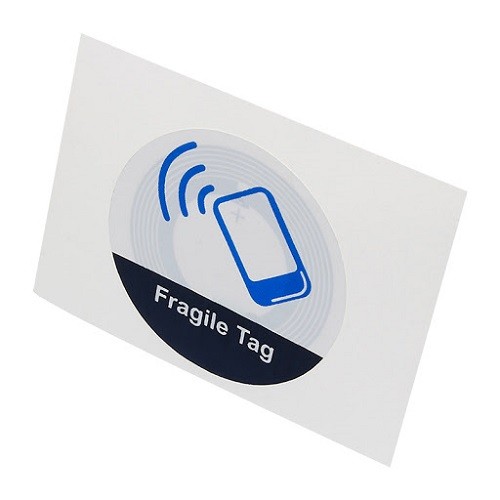
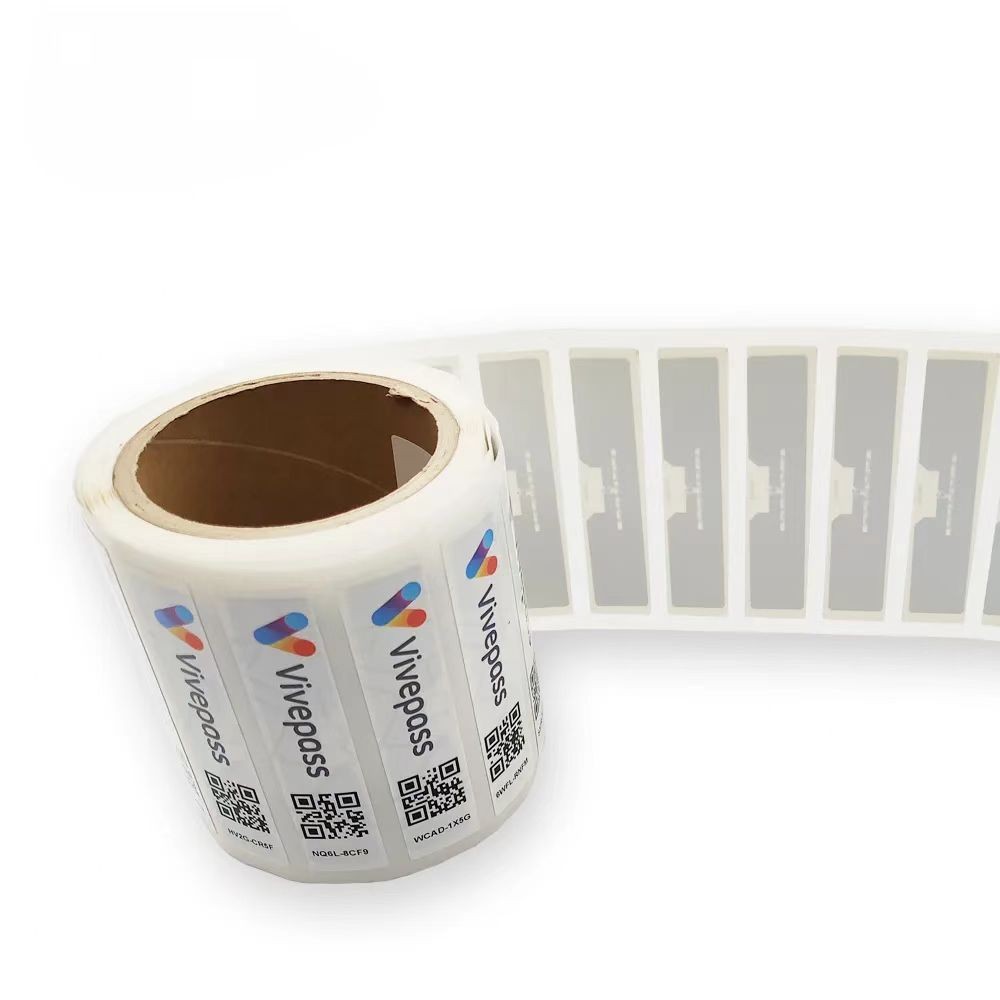
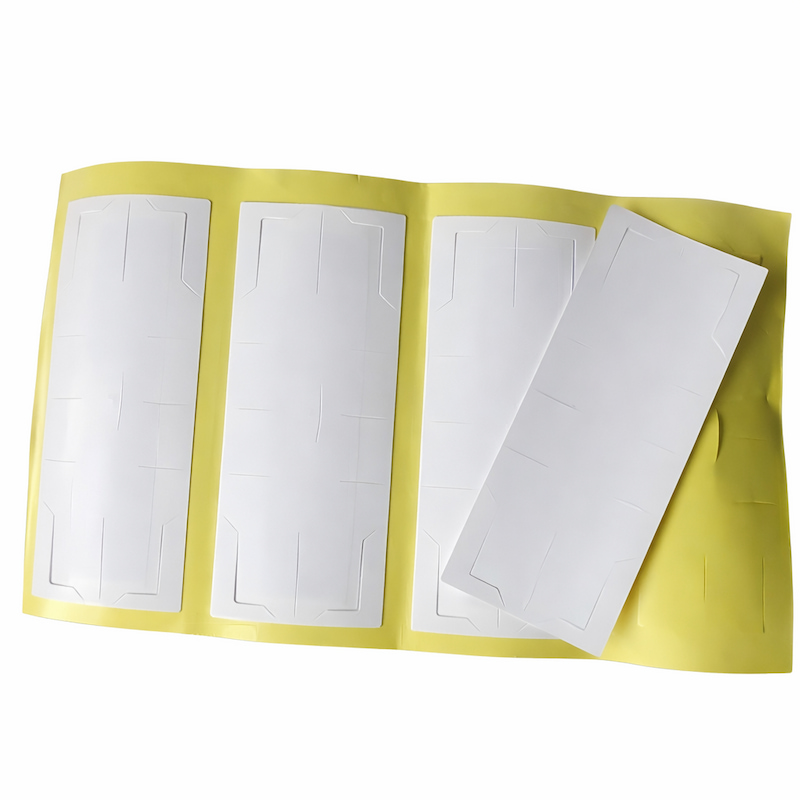
These fully fragile RFID labels are made for applications where the tag should remain linked to one product package or asset. The RFID antenna is transferred onto a fragile face material. When a correctly applied label is peeled away the material tears and the antenna is designed to break with it. This physical structure makes intact removal and secondary transfer much more difficult than with a standard RFID sticker. HF NFC and UHF versions are available with custom sizes printing encoding and variable data services.
Payment
T/T, Western Union, PaypalProduct Origin
Shenzhen, ChinaColor
CustomizedShipping Port
Shenzhen, HongkongLead Time
7-8 working daysBrand
MHProduct Minorder
500Custom Fully Fragile RFID Labels for Tamper Evident Identification
Custom fully fragile HF NFC and UHF RFID labels designed to tear the face material and antenna during removal. Printing encoding secure chip and variable data options are available.
Best For
Equipment Warranty and Service Seals
Apply the label across an enclosure access point or removable component to provide RFID identification and visible evidence of opening or removal.
IT Assets and Restricted Equipment
Bind an RFID identity to computers communication devices tools or controlled equipment where intact label transfer should be prevented.
Product Packaging and Opening Indication
Use the label across selected packaging openings to combine electronic product information with a physical removal indication.
One Time Asset Identification
Assign each label to a specific item using a chip number printed serial number barcode or QR code that cannot easily be moved intact to another asset.
Brand Protection Projects
The fragile construction can be combined with secure RFID chips and the customer’s authentication platform when both physical tamper evidence and electronic verification are required.
Specifications
|
Specification |
Available Options |
|
Product Type |
Fully fragile anti transfer RFID label |
|
Main Function |
Tamper evident identification and one time item binding |
|
RFID Versions |
HF NFC 13.56 MHz and UHF 860 to 960 MHz |
|
Protocol Options |
ISO IEC 14443A ISO IEC 15693 and EPC Class 1 Gen 2 or ISO IEC 18000 63 depending on the selected chip |
|
Chip Options |
Standard identification chips and secure authentication chips |
|
Chip Source |
Original and compatible chips available |
|
Face Material |
Fragile paper coated paper and application specific printable materials |
|
RFID Structure |
RFID antenna transferred onto a fragile face material |
|
Sizes and Shapes |
Common sizes and customized dimensions or shapes |
|
Suitable Surfaces |
Glass plastic paperboard metal painted surfaces and other suitable smooth surfaces |
|
Printing |
Logo text color artwork QR code barcode and variable information |
|
RFID Data |
Blank compatible memory or factory pre encoded data |
|
Customer Printing |
Printable versions available subject to RFID printer and roll compatibility |
|
Delivery Formats |
Rolls sheets or individual labels |
|
Reading Distance |
Depends on frequency chip antenna size reader mounting surface and operating environment |
|
Samples |
Free stock samples |
|
Lead Time |
Normally 7 to 8 working days after design structure and data approval |
Choose the Right RFID Version
|
RFID Version |
Typical Use |
Selection Point |
|
HF NFC 13.56 MHz |
Close range product interaction service seals asset identification and phone readable applications |
Smartphone reading requires an NFC compatible chip and supported data format |
|
HF ISO IEC 15693 |
Industrial or document identification using compatible HF readers |
Confirm the customer’s reader and required chip memory |
|
UHF 860 to 960 MHz |
Asset inventory logistics and applications requiring a longer reading range |
Confirm the regional frequency reader setup mounting surface and required range |
|
Secure Authentication Chip |
Projects requiring electronic authenticity checks in addition to physical tamper evidence |
Requires a compatible customer verification system or authentication platform |
HF NFC and UHF versions use different readers and should be ordered according to the actual system. A standard NFC chip can provide identification and stored data but should not be described as a complete anti counterfeit solution.
How the Fully Fragile Transfer Structure Works
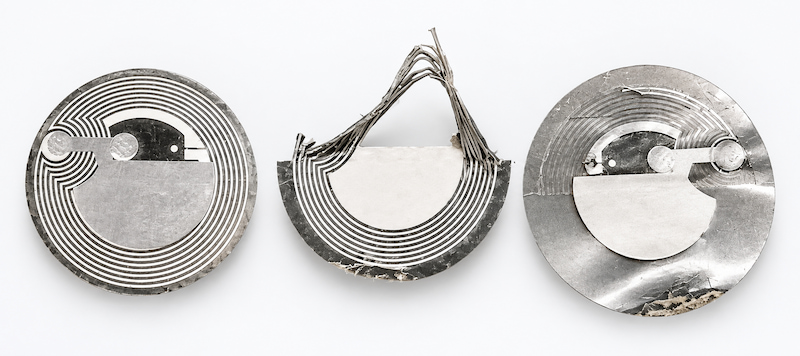
The RFID antenna is first formed on a carrier and then transferred onto the selected fragile face material. The chip antenna and printed surface become part of the finished RFID label structure. After the label is firmly applied the permanent adhesive holds it to the mounting surface. An attempt to peel it away causes the fragile material to split. Because the antenna follows the fragile structure it is designed to tear during removal and stop normal RFID communication. The final result depends on the adhesive mounting surface application pressure bonding time and peeling method. Sample testing on the actual product or asset is therefore recommended before bulk production.
How It Differs from Other Tamper Evident Labels
|
Label Type |
Typical Result During Removal |
|
Standard RFID Label |
May remain intact depending on the adhesive and mounting surface |
|
Visual VOID Label |
Leaves a message pattern or adhesive residue but the RFID circuit may remain functional |
|
Breakable Antenna RFID Label |
Uses selected weak points to interrupt the antenna during removal |
|
Fully Fragile Transfer RFID Label |
The fragile face material and transferred antenna are designed to break together |
Common Questions
Can the label be removed and used again?
The label is designed to tear when peeled from a suitable surface after correct application. The transferred antenna is intended to break with the face material so the label cannot be removed intact for normal secondary use.
Does the label leave a VOID message?
Not necessarily. A fully fragile label works by tearing the face material and antenna. A VOID pattern is a different tamper evident structure and can be added only when required by the selected design.
Is every fully fragile RFID label waterproof?
No. This page focuses on a fragile paper based structure for suitable dry applications. Waterproof performance is not claimed because adding protective layers may change the required destructibility.
Can a smartphone read the label?
A compatible smartphone can read an HF NFC version when the selected chip data format label size and mounting surface support phone reading. UHF versions require a compatible UHF reader.
Can the label be attached to metal?
It can be physically applied to a suitable metal surface but standard RFID performance may be affected by metal. The antenna and label structure must be selected and tested for the actual surface. An anti metal RFID construction may be required for some projects.
Does an NTAG or standard RFID chip provide product authentication?
A standard RFID chip can store identification data or a URL but does not by itself provide a complete authentication system. Secure authentication requires a suitable chip and a compatible verification platform.
Can every label have different printed and electronic information?
Yes. Chip data serial numbers QR codes barcodes and printed identifiers can be matched individually according to the customer’s data rules.
Do you provide authentication or asset management software?
No. We supply the physical RFID labels printing encoding and data files. Authentication platforms asset management systems and product databases are not included.
Start with a Free Sample or Request a Quote
Free stock samples are available for checking adhesion label destruction and RFID performance. The customer covers the courier cost. For a recommendation or quotation tell us the application mounting surface approximate label size quantity RFID reading method and printing or data requirements. If the RFID chip has no


 IPv6 network supported
Chat NOW
Scan to wechat :

Scan to Whatsapp :

 Product categories