Leave A Message
If you are interested in our products and want to know more details,please leave a message here,we will reply you as soon as we can.

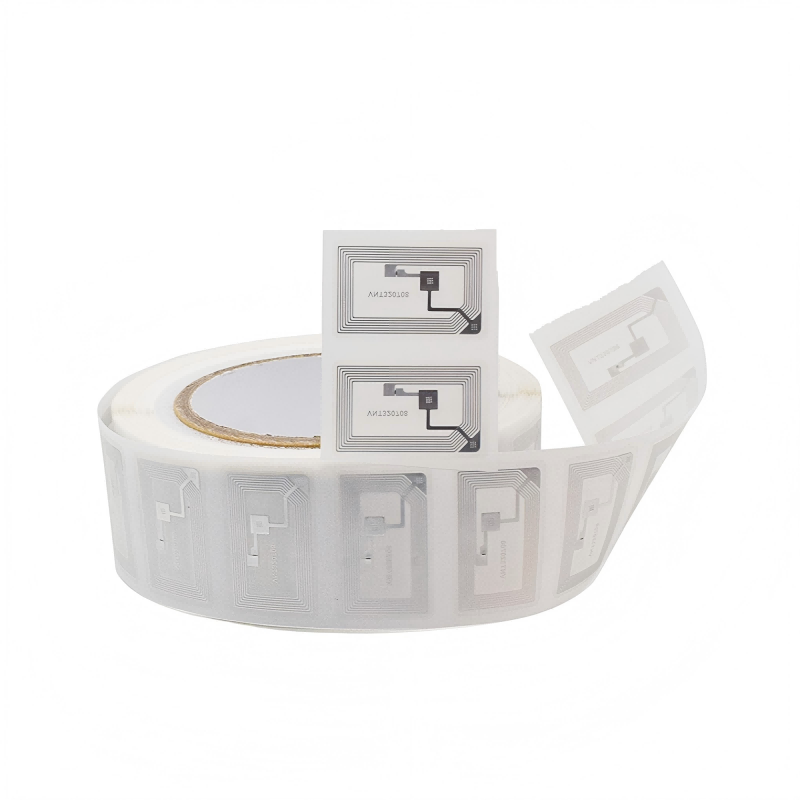
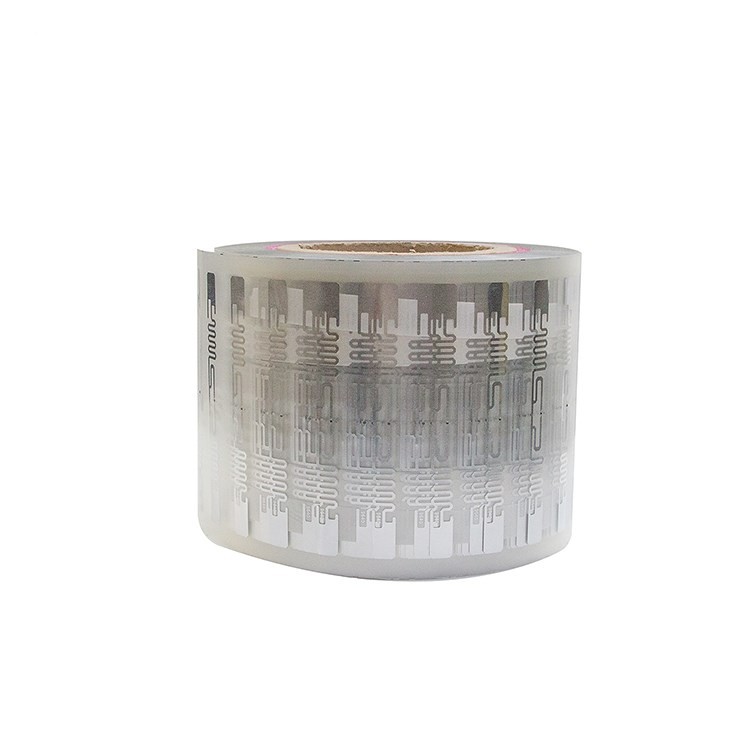
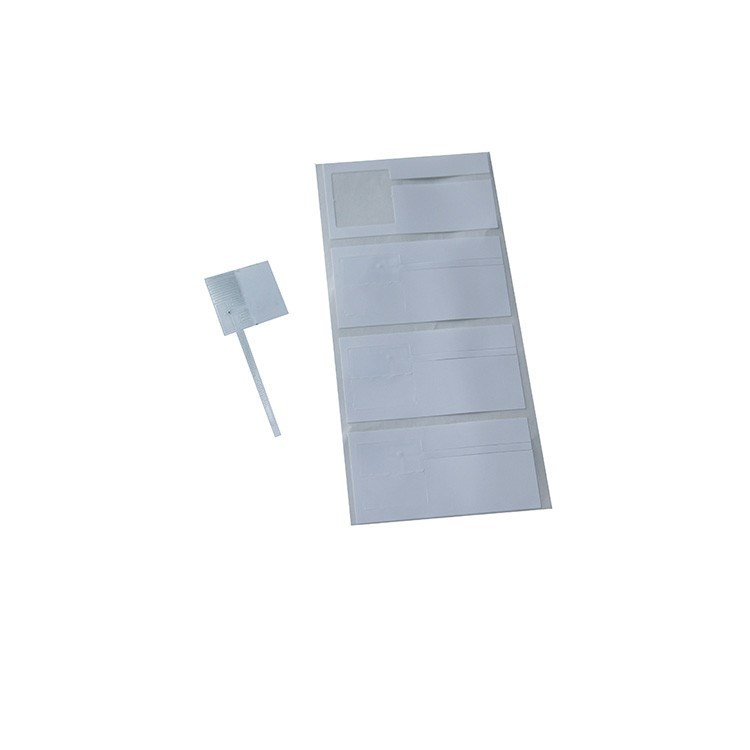
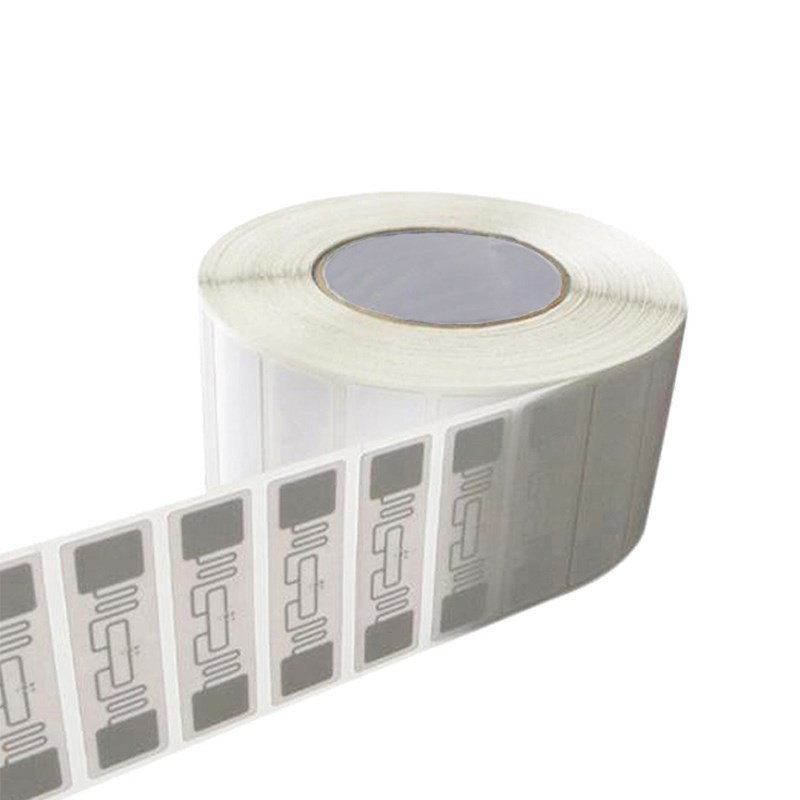
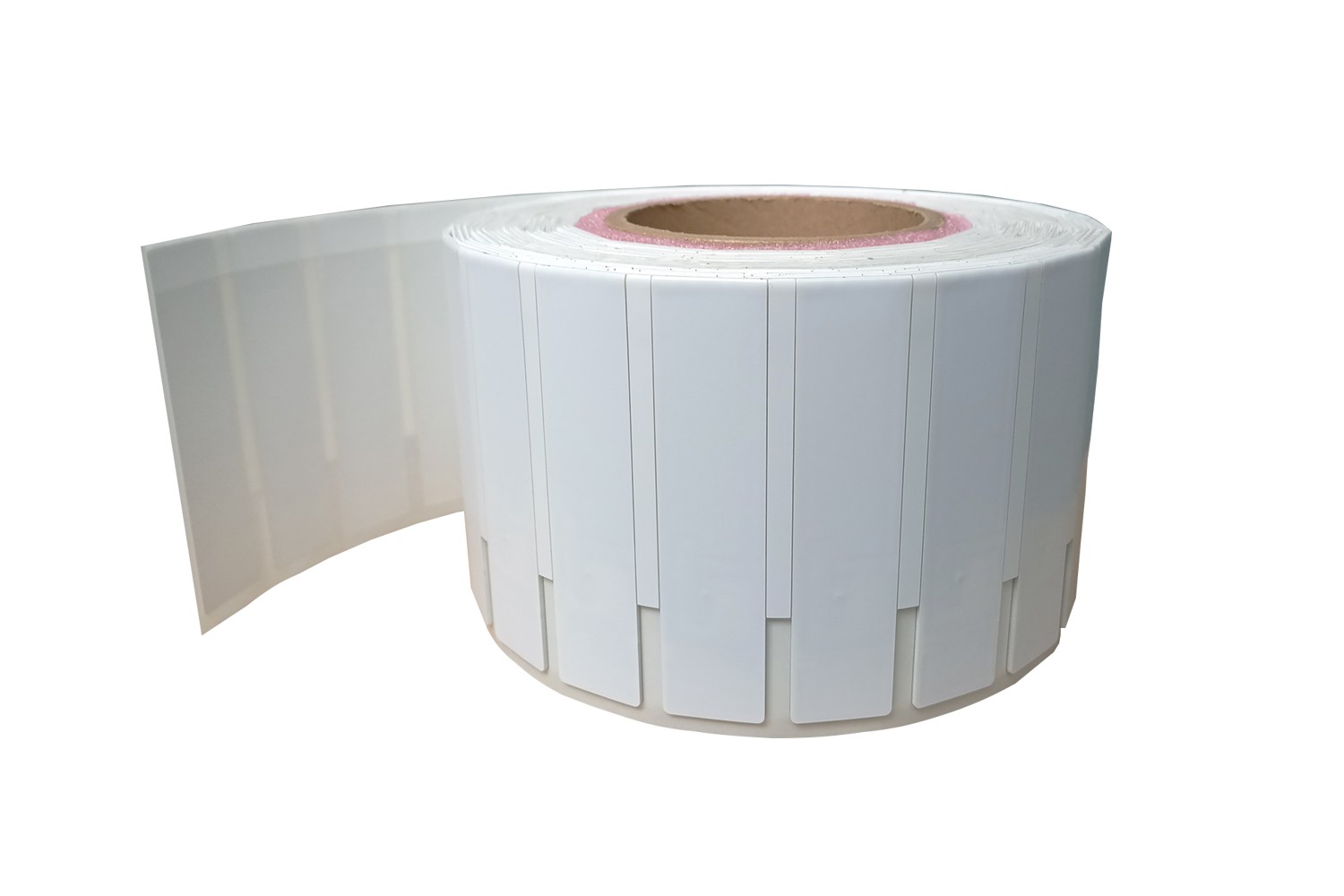
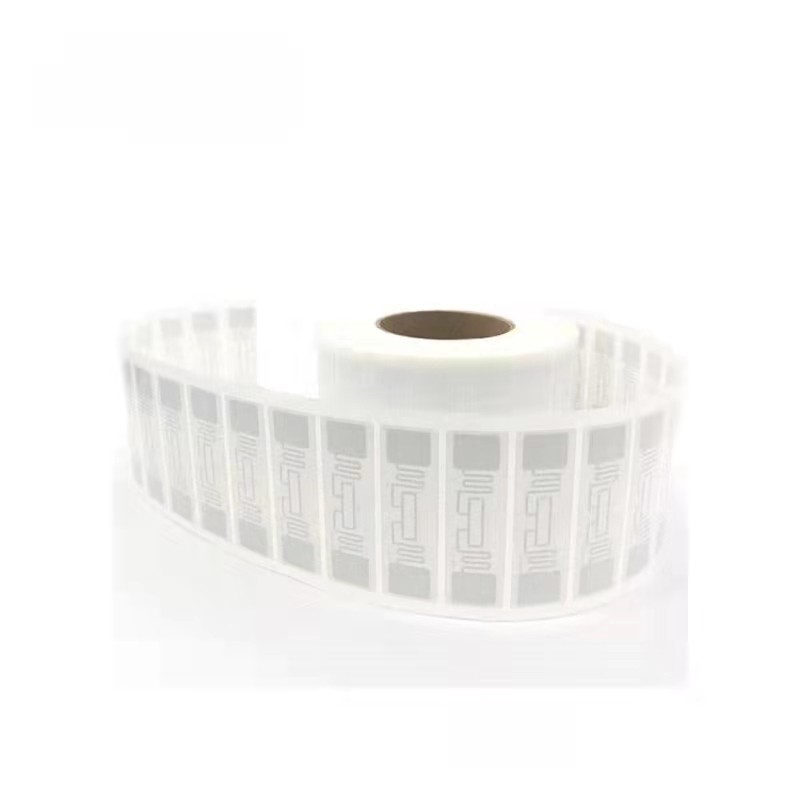
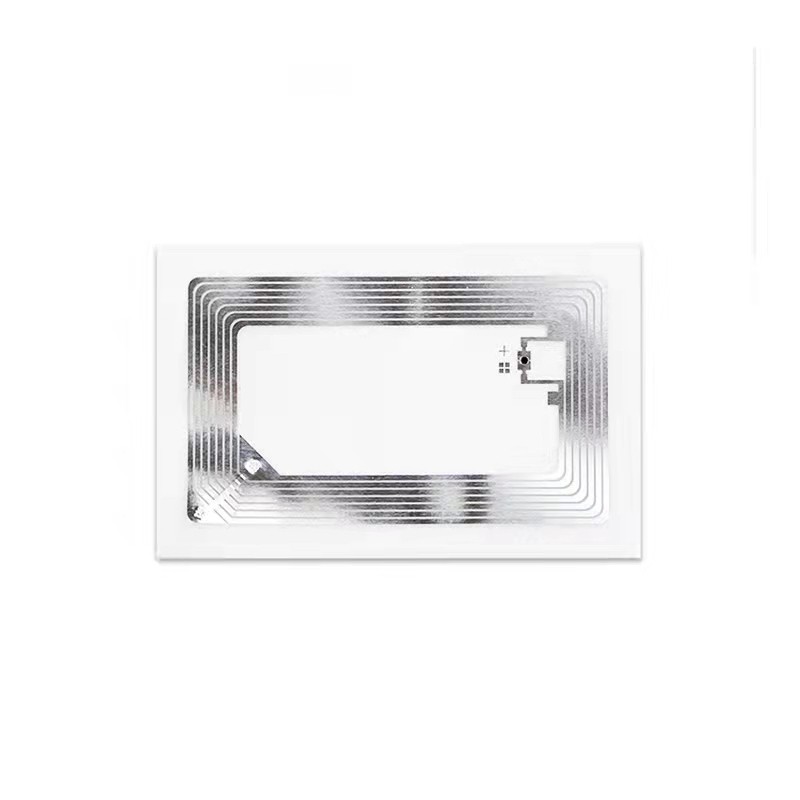
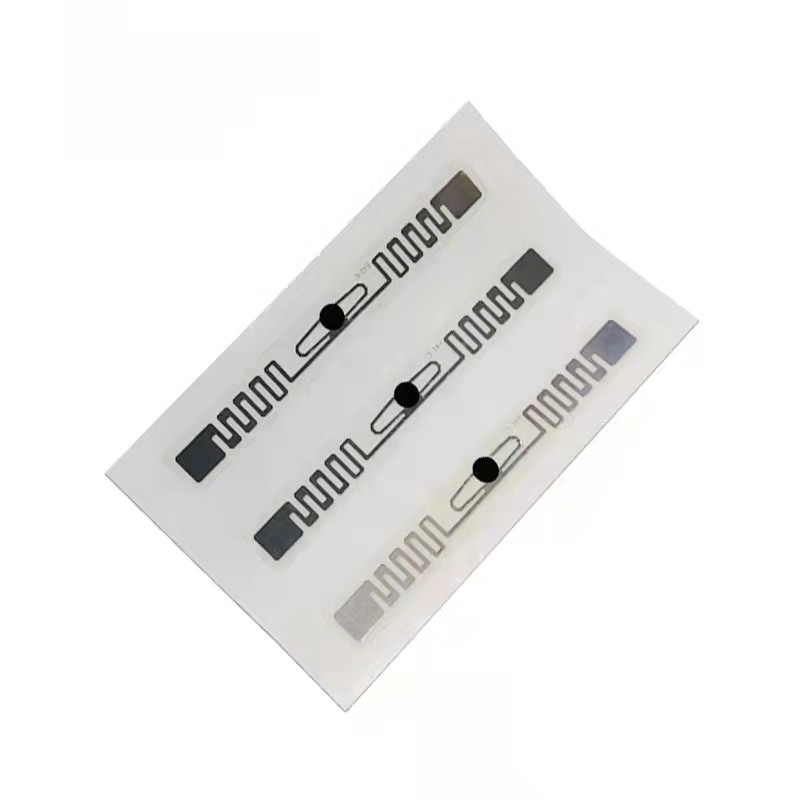
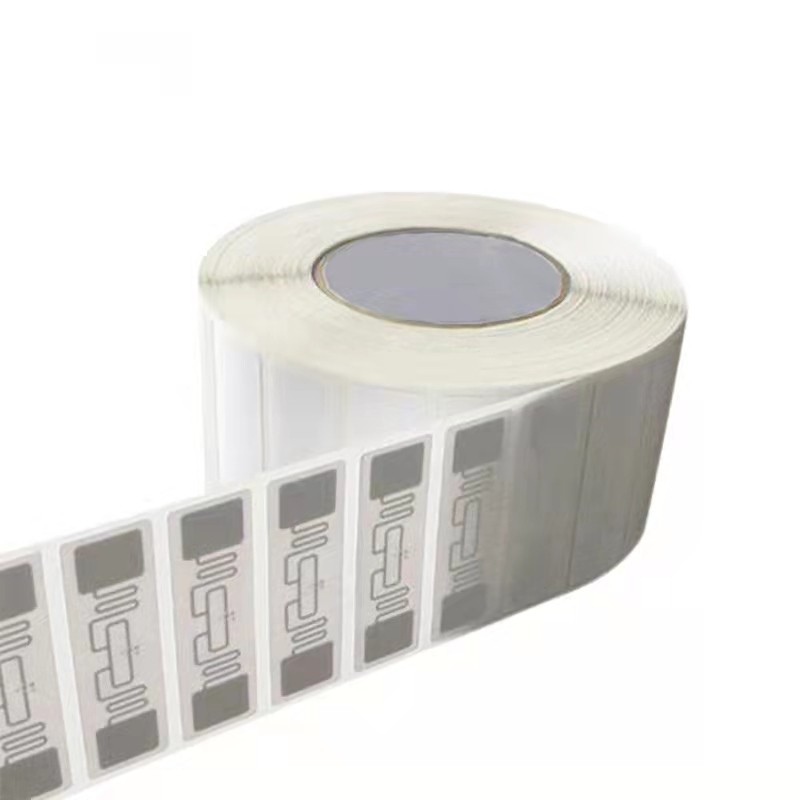
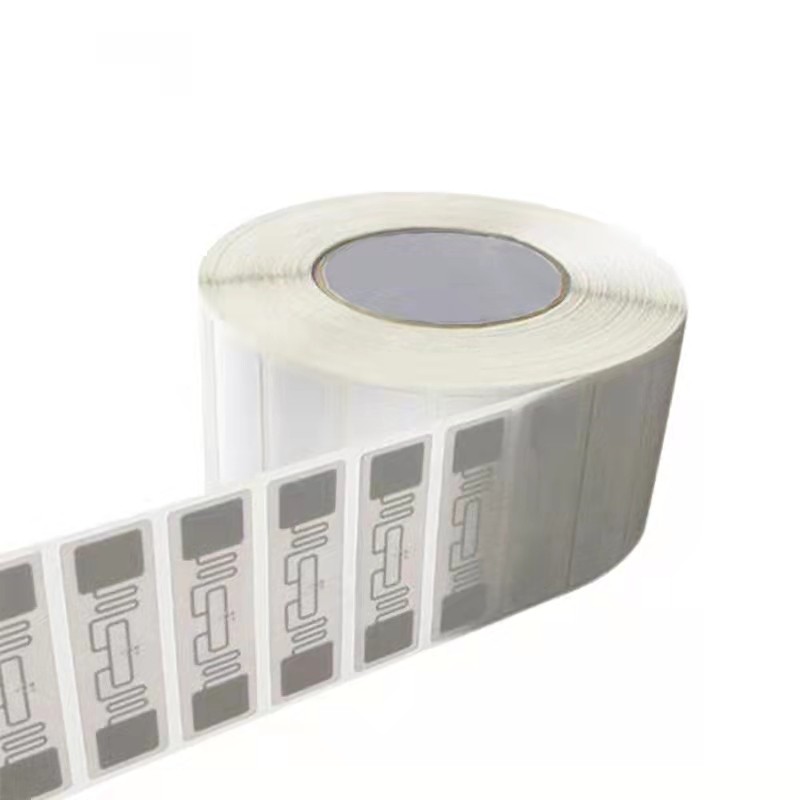
These passive UHF RFID inlays and labels are produced for item identification, inventory counting and supply chain tracking. Choose from dry inlays, adhesive wet inlays or finished printable labels according to your converting, printing and application process. Different antenna designs, finished sizes, face materials and UHF RFID chips are available. We can also provide factory printing, EPC encoding, TID data export and one to one data matching.
Item NO. :
Cheap Long Range RFID tags ISO18000 6C Inlay UHF rfid tag StPayment
T/T, Western Union, PaypalProduct Origin
Shenzhen, ChinaColor
CustomizedShipping Port
Shenzhen, HongkongLead Time
7-8 working daysBrand
MHProduct Minorder
500Custom Passive UHF RFID Inlays and Labels for Inventory Tracking
Custom passive UHF RFID dry inlays wet inlays and printable labels for retail inventory logistics and package tracking with selectable chips sizes and roll formats.
Specifications
|
Specification |
Available Options |
|
RFID Technology |
Passive UHF RFID also known as RAIN RFID |
|
Protocol |
GS1 EPC UHF Gen2 and ISO IEC 18000 63 formerly ISO IEC 18000 6 Type C |
|
Frequency |
Global ETSI and FCC compatible antenna options selected according to the destination market |
|
Inlay Construction |
Aluminum etched antenna on PET substrate |
|
Delivery Formats |
Dry inlay wet inlay and finished printable RFID label |
|
Antenna Designs |
Dogbone Belt Web Miniweb long narrow round square and other application specific designs |
|
Finished Label Sizes |
25 mm 30 mm 40 mm and 50 mm round 29 × 29 mm 40 × 40 mm and 50 × 50 mm square plus custom sizes |
|
Face Materials |
Coated paper direct thermal paper synthetic paper PET and other compatible materials |
|
Adhesive |
Permanent removable high tack and application specific adhesive options |
|
Chip Options |
Alien Higgs series Impinj Monza M700 and M800 series NXP UCODE series and other original or compatible UHF RFID chips |
|
Memory |
EPC TID and User Memory capacity depends on the selected chip |
|
Printing |
Blank or factory preprinted labels available |
|
Variable Printing |
Barcodes QR codes serial numbers text and other variable information |
|
Encoding |
EPC encoding TID reading User Memory encoding where available passwords and memory locking according to chip capability |
|
Data Matching |
EPC TID QR code barcode and printed number can be matched individually |
|
Delivery |
Roll sheet or individual pieces |
|
Roll Configuration |
Custom core size web width label pitch gap output direction winding direction and quantity per roll |
|
Quality Inspection |
Chip function EPC data quantity and roll direction can be checked before shipment |
|
Samples |
Free stock samples |
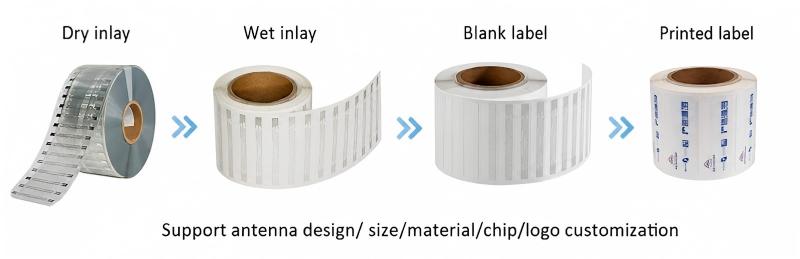
Dry Inlay Wet Inlay and Printable Label Options
|
Format |
Construction |
Typical Supply Purpose |
|
Dry Inlay |
RFID chip and antenna on the inlay substrate without a pressure sensitive adhesive layer |
Integration into cards packaging labels hangtags and other converted products |
|
Wet Inlay |
RFID inlay with adhesive and release liner |
Direct application or further label converting |
|
Finished Printable Label |
RFID inlay combined with printable face material adhesive and liner |
Printing barcodes text graphics and variable information before application |
The required format should be selected according to whether the customer will convert the inlay, apply it directly or print it with an RFID label printer.
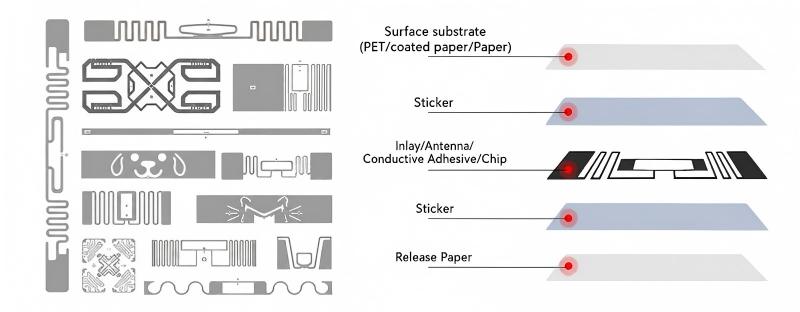
Available Inlay Designs
UHF inlays are available in several antenna form factors. Names such as Dogbone, Belt, Web and Miniweb describe general design families rather than one universal size or performance level.
|
Design Type |
General Form Factor |
Main Selection Consideration |
|
Dogbone |
Longer and wider antenna |
Available space and required performance |
|
Belt |
Long narrow antenna |
Narrow labels hangtags and packaging formats |
|
Web |
Compact rectangular antenna |
General item level identification |
|
Miniweb |
Smaller rectangular antenna |
Products with limited label space |
|
Round and Square |
Compact custom formats |
Finished label shape and available antenna area |
|
Custom Design |
Project specific dimensions |
Product surface reader setup and converting requirements |
The antenna dimensions, inlay die cut size and finished label size are confirmed separately for each selected design. A smaller finished label generally provides less space for the antenna, so size and reading performance must be evaluated together.
How to Select the Right UHF Inlay
The RFID chip is only one part of inlay selection. The antenna and finished label construction often have a greater effect on how the tag performs on the actual product. If the reader, printer or antenna model is not yet known, send us the application details and target label size. We can first narrow down suitable options for sample testing.
Quality and Sample Testing
Before shipment, we can check chip function, EPC encoding, label quantity and roll direction. Variable data and one to one matching can also be verified according to the approved data file.
Sample testing is recommended before bulk production, especially when:
• The available label area is limited
• The product contains metal liquid or foil
• A specific reading distance is required
• Labels will be printed and encoded by the customer
• Automatic application equipment will be used
• The labels must operate in a dense tag environment
Tests should use the actual product surface, reader, reader antenna and operating conditions whenever possible.
Common Questions
What is the difference between a dry inlay and a wet inlay?
A dry inlay contains the RFID chip and antenna on the inlay substrate. A wet inlay adds adhesive and release material so it can be applied to a suitable surface or used in further label converting.
What is the difference between a wet inlay and a finished RFID label?
A finished RFID label adds a printable face material over the inlay. It is suitable for printed barcodes, product information, graphics and variable data.
Is ISO IEC 18000 63 the same as ISO 18000 6C?
ISO IEC 18000 63 is the current name for the standard formerly known as ISO IEC 18000 6 Type C. It is used together with the GS1 EPC UHF Gen2 air interface standard for passive UHF RFID systems.
What reading distance can the label achieve?
There is no single reading distance for every UHF inlay. Performance depends on the antenna, chip, finished size, reader, mounting surface, tag orientation and environment. We recommend confirming a specific inlay and testing it on the actual item.
Can a standard UHF inlay be applied directly to metal?
Usually not. Direct metal mounting can severely reduce the performance of a standard inlay. A dedicated on metal UHF RFID label should be used for this application.
Can you recommend an inlay without knowing the chip?
Yes. Start by providing the application, item material, available label size, destination country and expected reading setup. We can then recommend suitable antenna and chip combinations.
Can we print and encode the labels ourselves?
Yes. Please provide the RFID printer model so we can confirm the label width, chip position, roll core, winding direction and other feeding requirements.
Can every label have a different EPC and printed code?
Yes. We can encode a different EPC for every label and match it with the TID, QR code, barcode or printed serial number. The final data file can be provided with the order.
Start with a Sample or Request a Quote
Free stock samples are available for product and reader testing. The customer only needs to cover the courier cost.
To get started, simply tell us:
• What the RFID inlay or label will be used for
• The approximate quantity
• The preferred size if already known
If you have reader, printer, chip or data requirements, you can also send them to us. If not, we can discuss these details step by step and recommend suitable options for sample testing.


 IPv6 network supported
Chat NOW
Scan to wechat :

Scan to Whatsapp :

 Product categories